From 25 January to 22 February 2026
Accepted the Artsupp Card



International Museum of Ceramics
viale Alfredo Baccarini, 19, Faenza
Closed now: open at 10:00
Verified profile
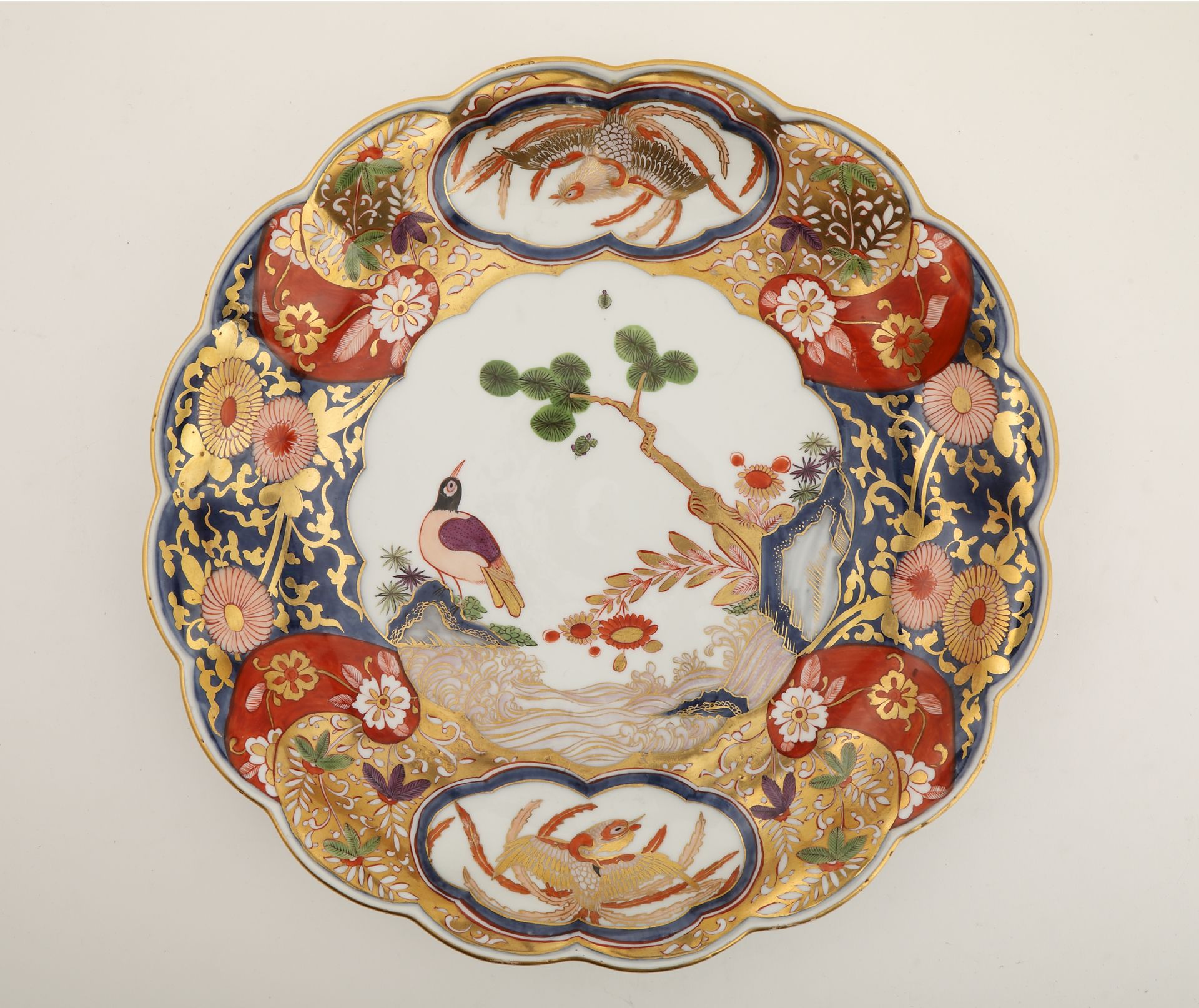
"The porcelain of the hausmaler in Europe in the Eighteenth Century", edited by Alessandro Biancalana, is the new exhibition that will be set up in the Project Room of MIC Faenza from January 25 to February 22, 2026.
But who are the hausmaler? The literal translation is "house painter", they are the porcelain painters of the XVIII century who did not want to be bound by a fixed contract with a factory and carried out the work with an independent relationship in their own workshop. However, they cannot be grouped under a single denomination: they are silversmiths and goldsmiths, enamellers, painters, or simply wanderers. Often defined in a derogatory manner ("fraudulent painters" in Vienna, "sloppy painters" in Meissen), they are instead artists of great depth and great creativity.
They developed mainly in the German area, in Bohemia and Silesia, but also in England (china painter) and in the Netherlands there was a proliferation, even in the feminine. How can we forget the Auffen Werth sisters, Sabina and Anna Elisabeth of Augsburg, perhaps among the greatest porcelain and majolica painters of the XVIII century.
However, some locations can be identified where there was a greater flourishing with the establishment, so to speak, of a decorative school: Nuremberg, Dresden, Augsburg, Bayreuth, Memmingen.
The phenomenon, strongly opposed by official manufactures and various rulers, to the extent that some hausmaler ended their lives in prison precisely for this activity, continued throughout the nineteenth century with the creation of real painting workshops, and even reaches us, keeping alive an important sector of ceramic decoration.
The phenomenon of the so-called "home painters" on porcelain has distant roots and originates from the sixteenth-century glass decorators.
"Around 1715, Bartholomäus Seuter (1677-1754), goldsmith, engraver, silk colorist, was probably one of the first artists to use the newborn European porcelain from Meissen," explains curator Alessandro Biancalana, "executing fine chinoiserie decorations in etched gold on the body of the porcelain and large bouquets of polychrome European flowers on majolica. From that moment on, there was a flourishing of workshops and independent decorators who engaged in this activity."

viale Alfredo Baccarini, 19, Faenza, Italy
Opening hours
| opens - closes | last entry | |
| monday | Closed now | |
| tuesday | 10:00 - 14:00 | 13:00 |
| wednesday | 10:00 - 14:00 | 13:00 |
| thursday | 10:00 - 14:00 | 13:00 |
| friday | 10:00 - 14:00 | 13:00 |
| saturday | 10:00 - 18:00 | 17:00 |
| sunday | 10:00 - 18:00 | 17:00 |
Notice: The MIC does not participate in the initiative Sunday at the Museum promoted by the Ministry of Culture.

Always

9.00 € instead of 12.00€

There are no ongoing exhibitions.
11.00 € instead of 14.00€

Guided tour at 50 euros for groups of less than 15 people (instead of 60 euros) at MIC - International Museum of Ceramics.
From 19 April to 22 November 2026
1948-1958 Murano glass and the Venice Biennale
The Rooms of Glass, Venice