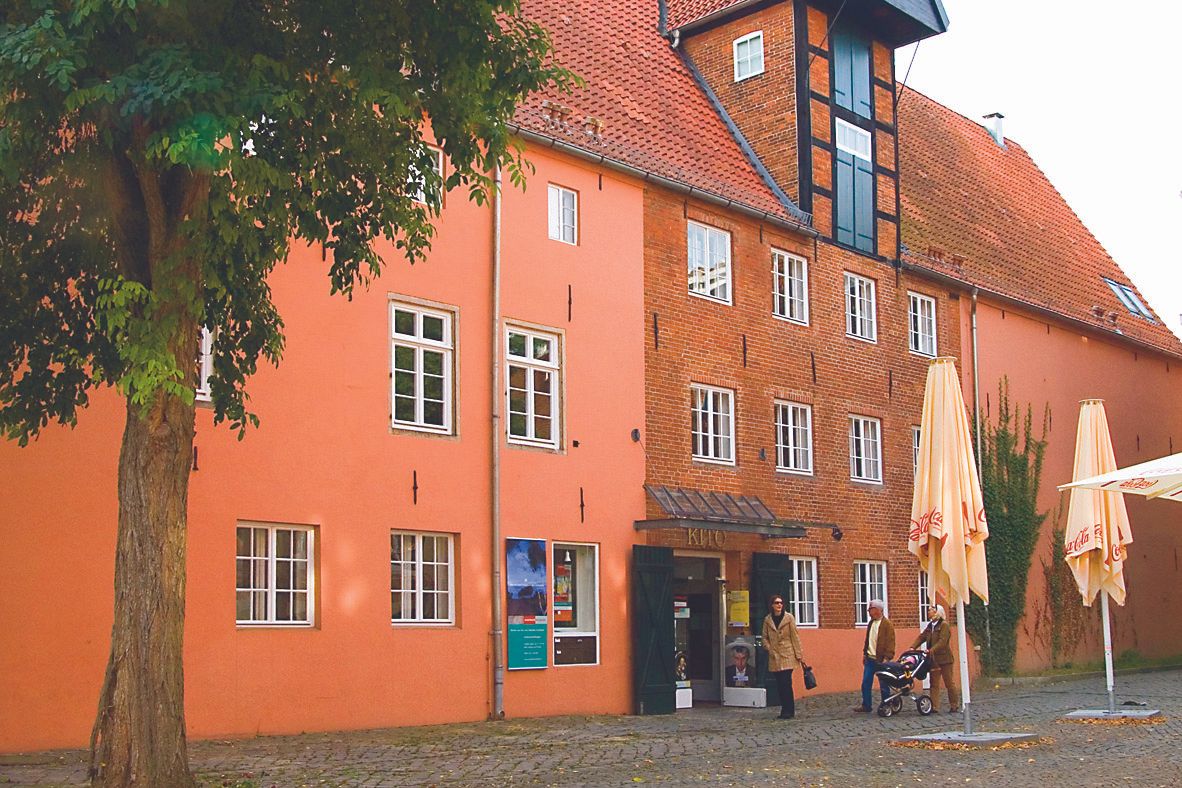
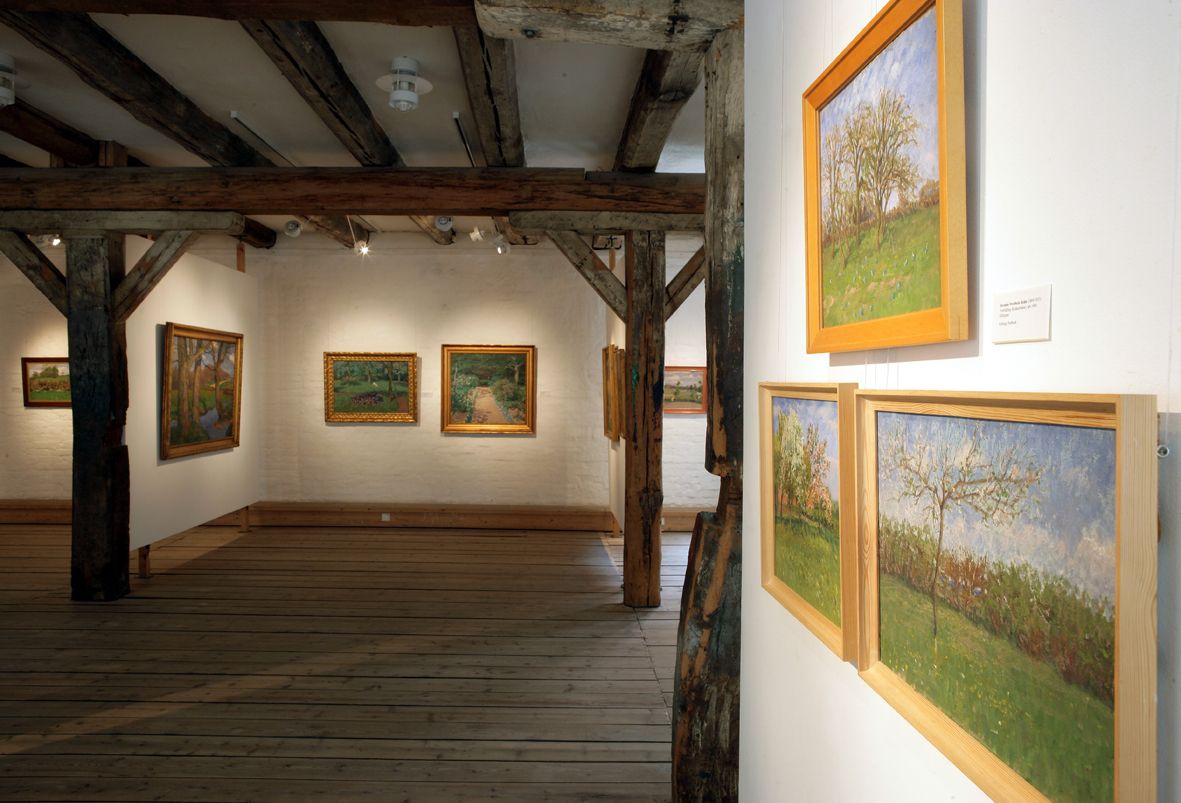
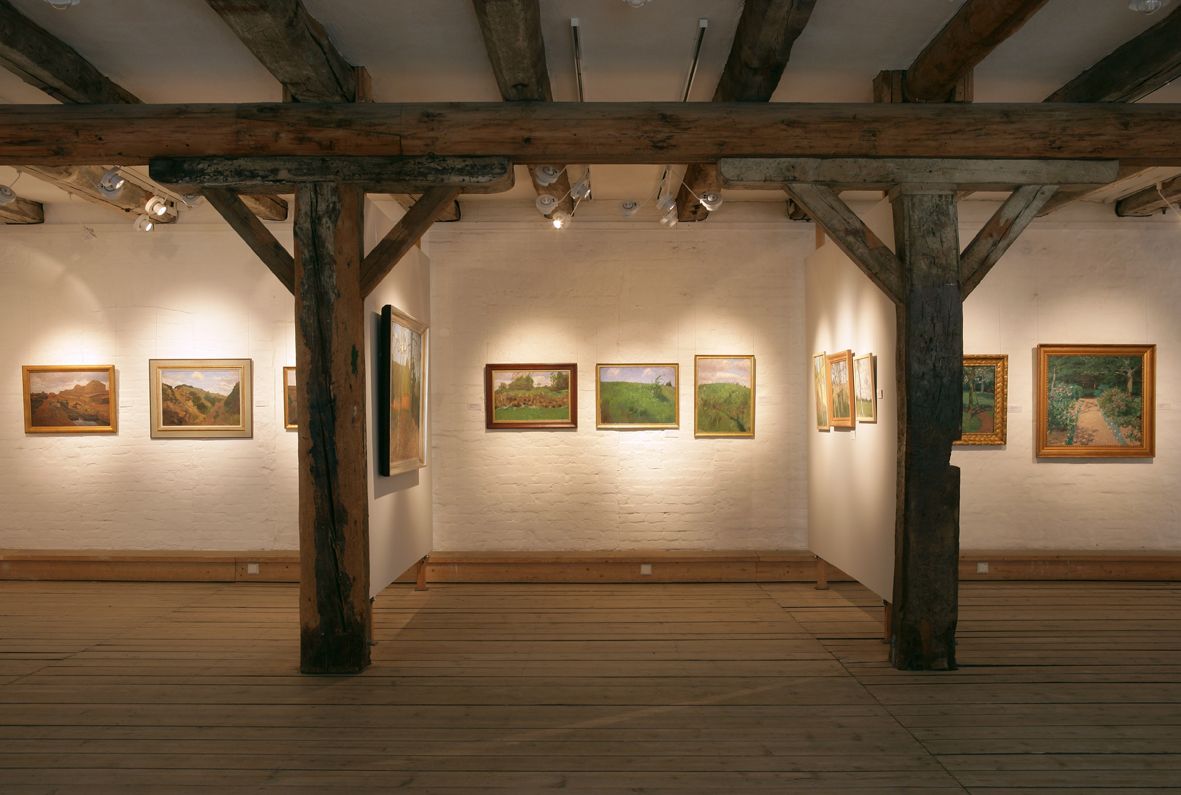
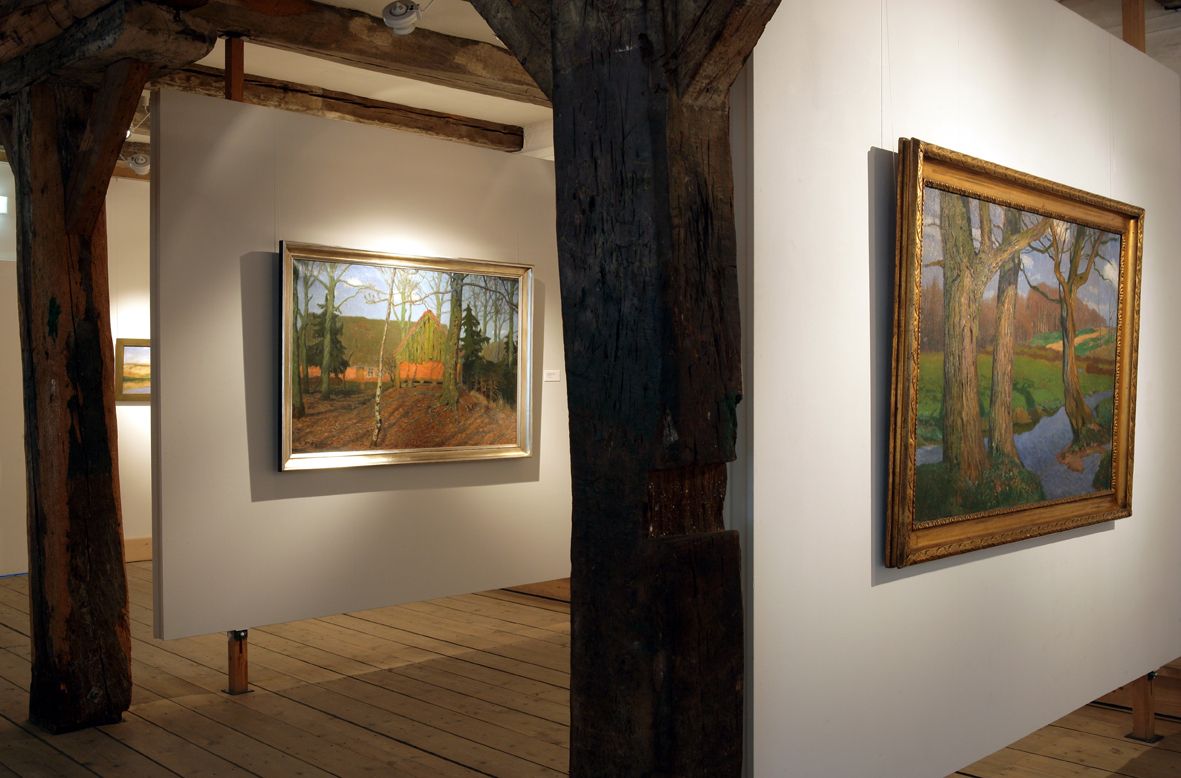
The Overbeck-Museum is a museum in Bremen dedicated to one of the founding fathers of the Worpswede artists' colony, the painter Fritz Overbeck (1869–1909), and his wife, the painter Hermine Overbeck-Rohte (1869–1937). The group of Worpswede artists was established in 1889 in Worpswede (a town near Bremen) inspired by the French model of the Barbizon School. The most representative member was Paula Modersohn-Becker. The group became famous for their anti-academic landscapes depicting the simple rural life in the harsh landscape of Northern Germany. They were influenced by the French Impressionists but the Worpswede artists can also be seen as precursors of Expressionism.
The centerpiece of the collection is the artistic estate of the painter couple. It consists of oil paintings, drawings, etchings, watercolors, gouache, and photographs. The extensive collection also includes letters, private photographs, documents, and objects (painting tools, furniture, and books) belonging to the painter couple. The museum conducts research and publishes catalogs and yearbooks on the work of Fritz Overbeck and Hermine Overbeck-Rohte. It organizes temporary exhibitions that develop themes related to the museum's main topics. Guided tours, lectures, art trips, and readings complement the program.
Read more
Artworks
on display
Get inspired by creating your mix of artworks or discover new ones exploring the surrounding area