




Piazza Museo, 19,, Naples, Campania
Closed today: open tomorrow at 09:00
Verified profile

Contact the museum

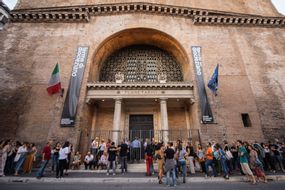
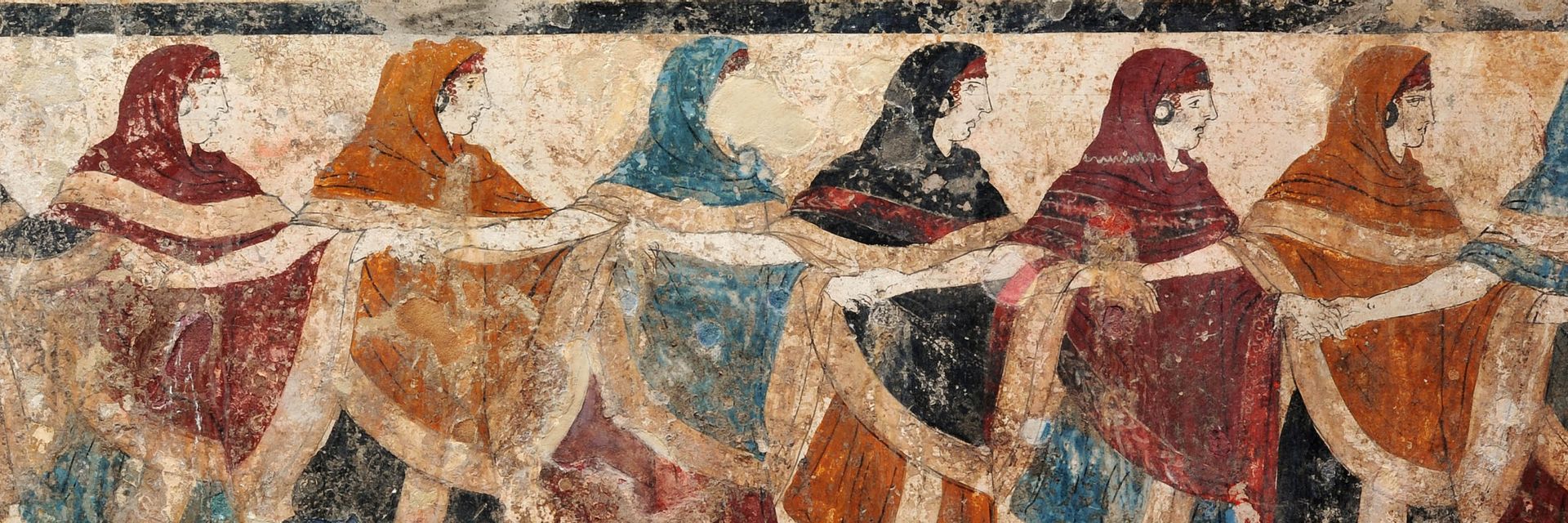
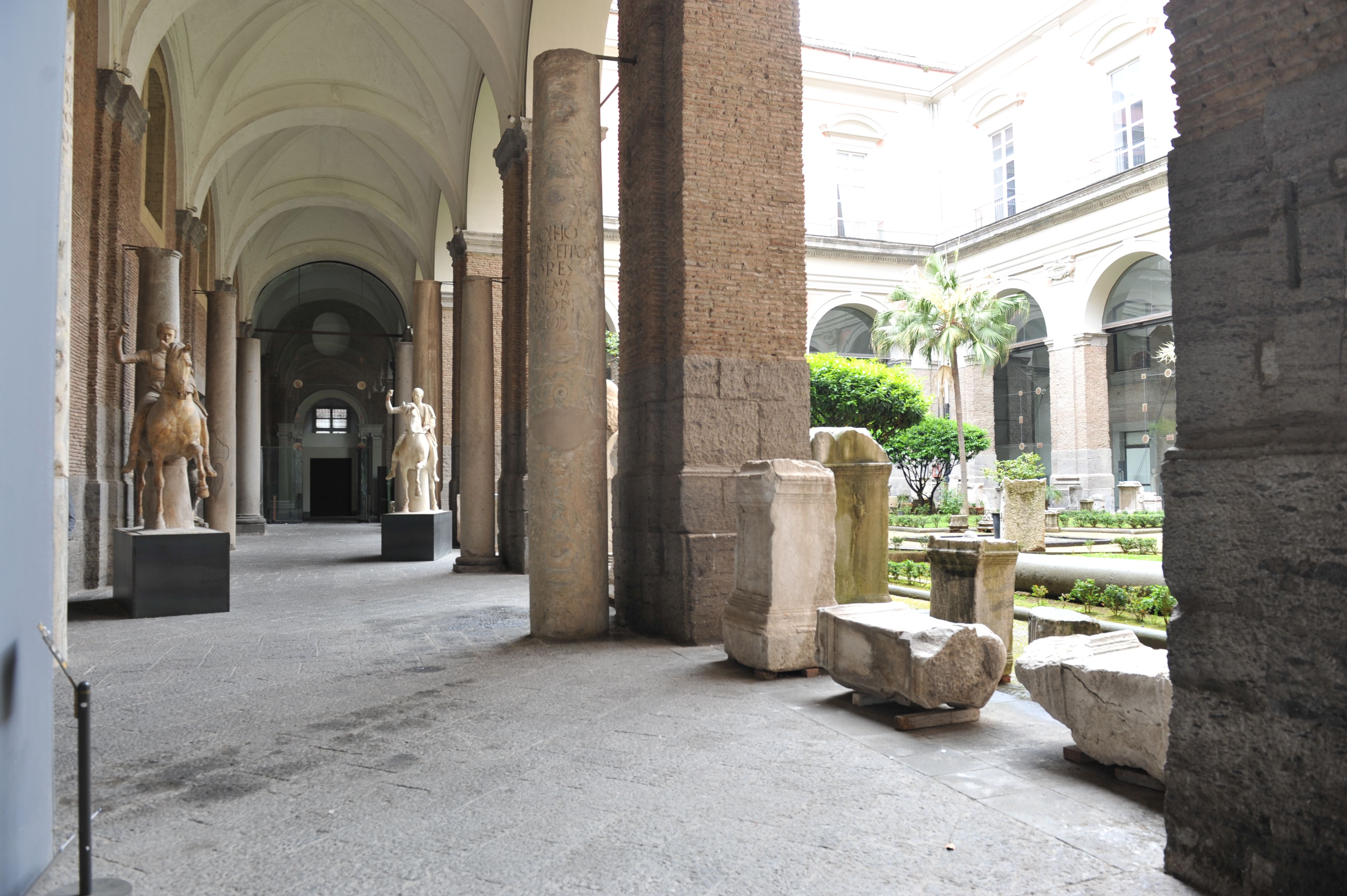
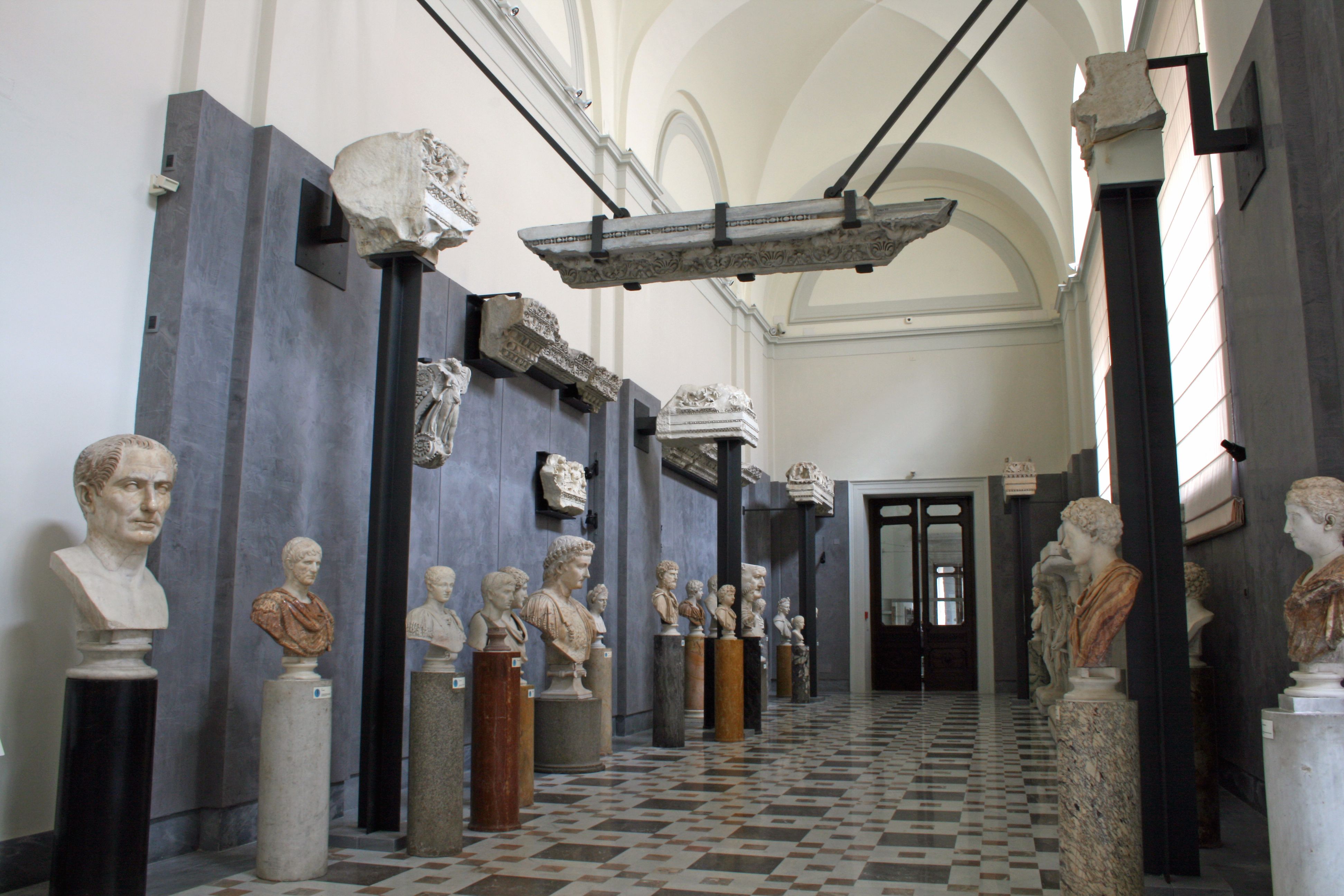
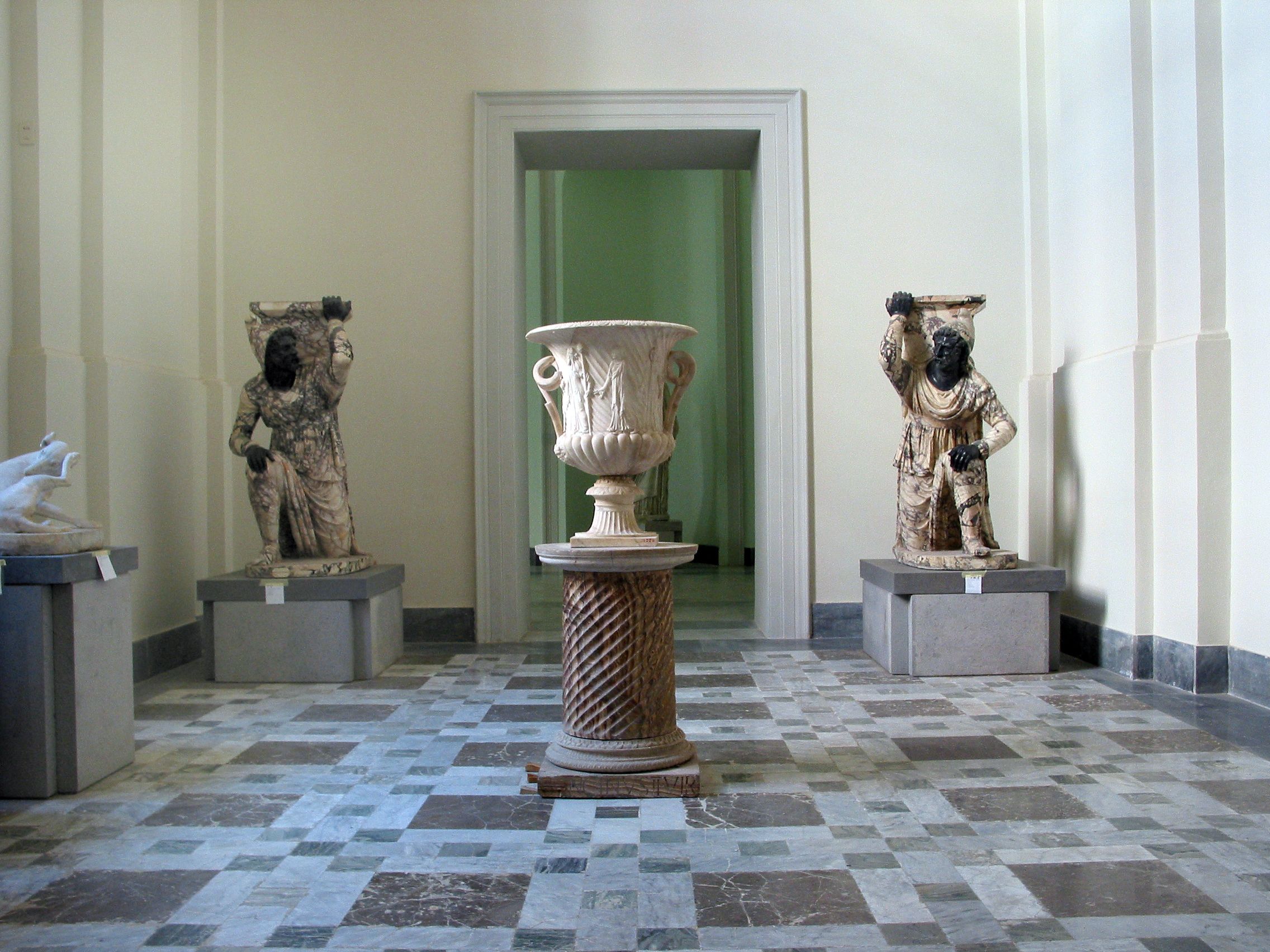
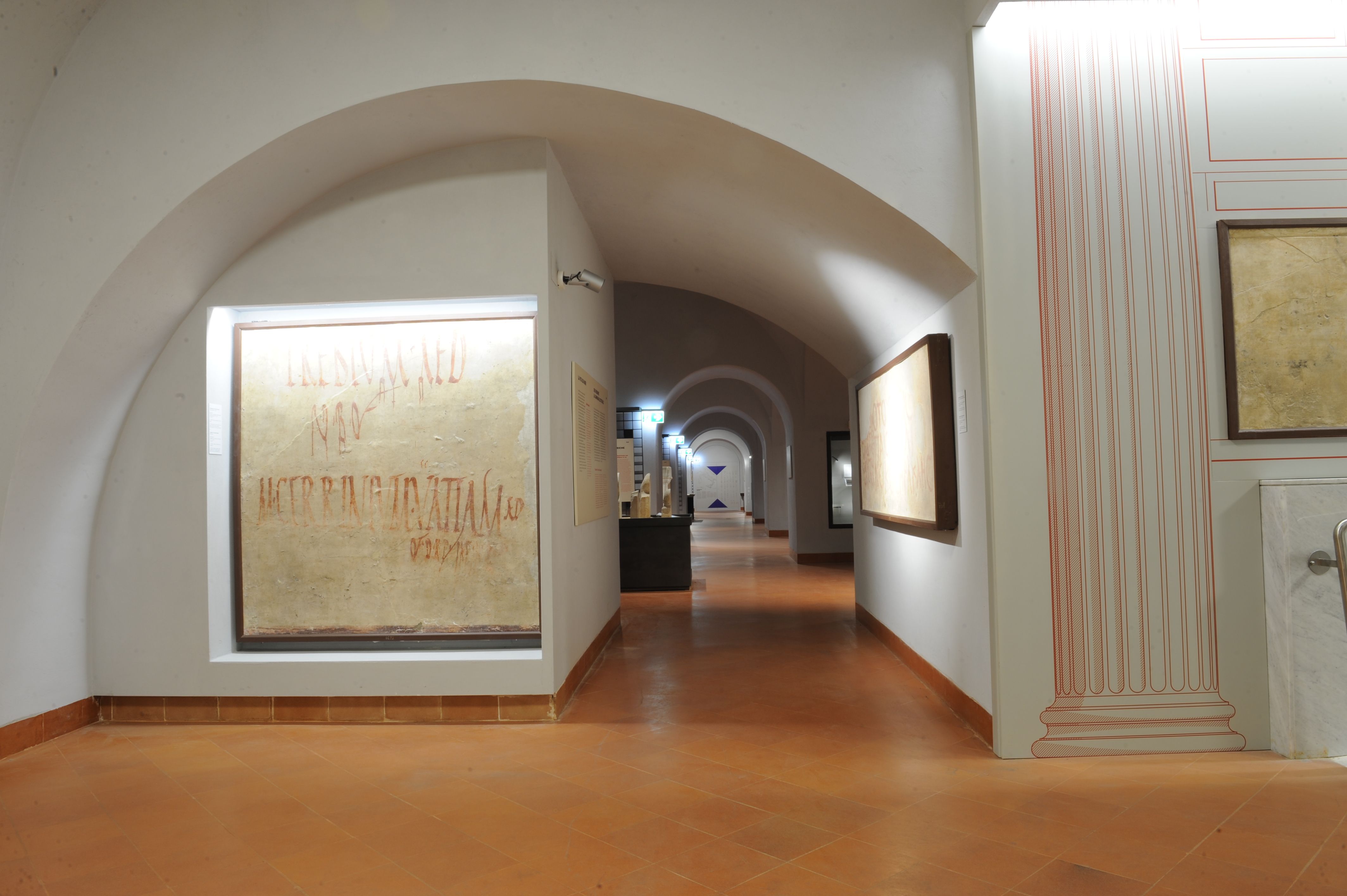
The National Archaeological Museum of Naples - MANN is one of the oldest and most important in the world for the wealth and uniqueness of its archaeological heritage. The origin and formation of its collections are linked to the figure of Charles III of Bourbon who, upon ascending to the throne of the Kingdom of Naples in 1734, promoted the exploration of the Vesuvian cities buried by the eruption of 79 AD and the project of a Farnese Museum, with the transfer to the city of part of the rich collection inherited from his mother Elisabeth.
It was his son Ferdinand IV who decided to reunite in the current building the Farnese collection and the Vesuvian collection, which constitute the two main nuclei of the National Archaeological Museum of Naples - MANN. Here is also preserved an important collection of Egyptian artifacts, which ranks in richness only after that of the Egyptian Museum in Cairo and the Egyptian Museum in Turin.
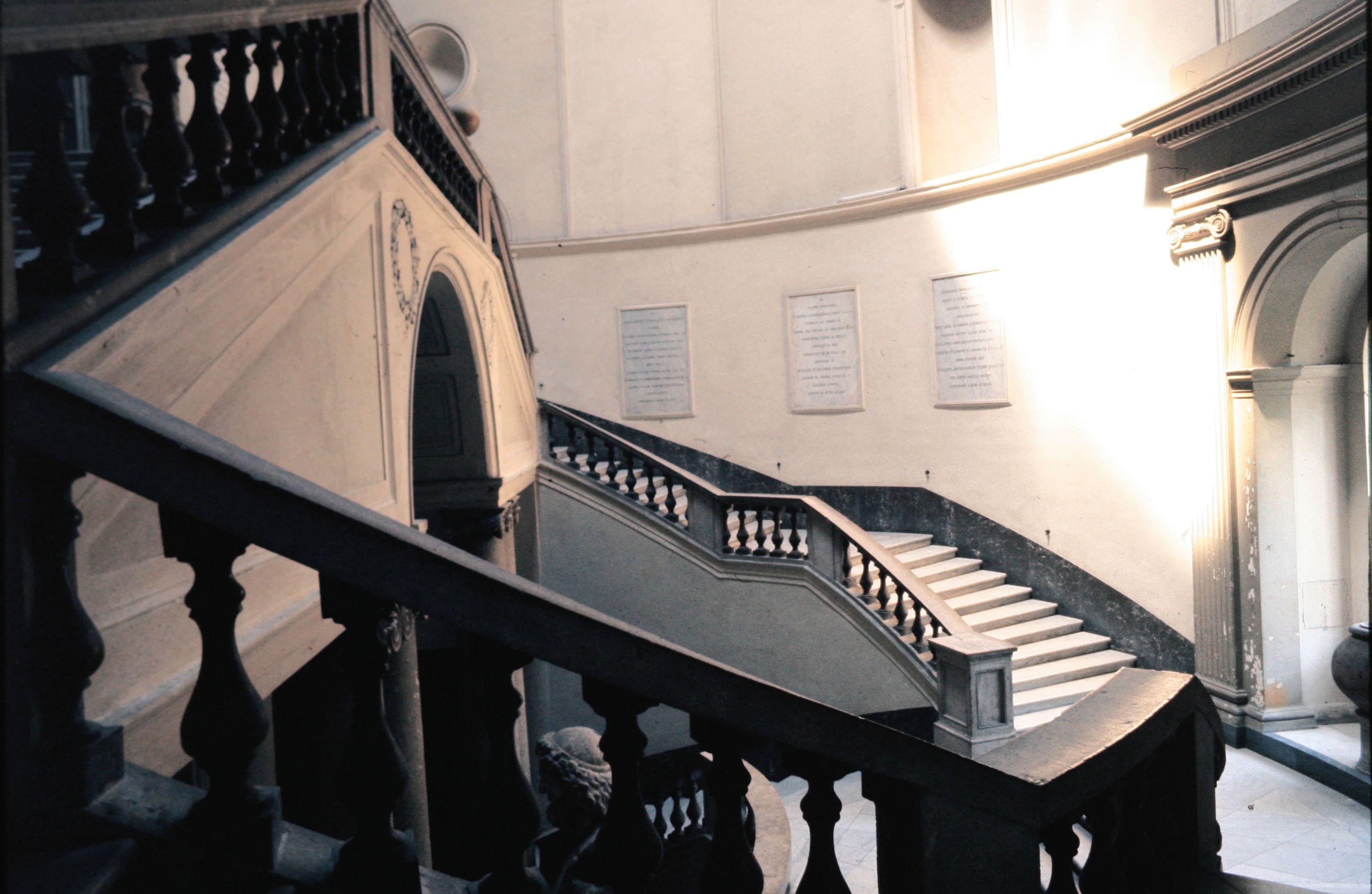
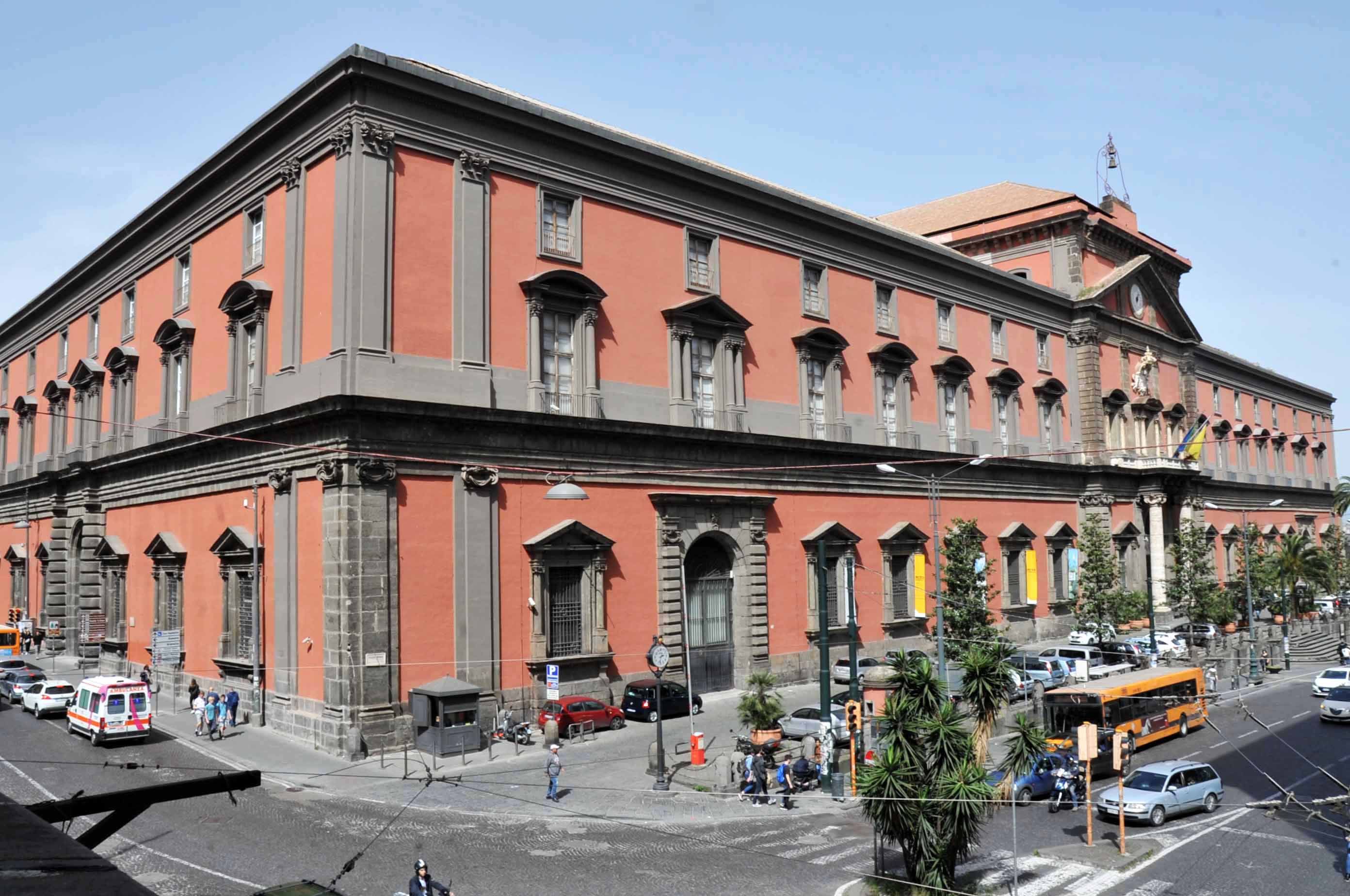
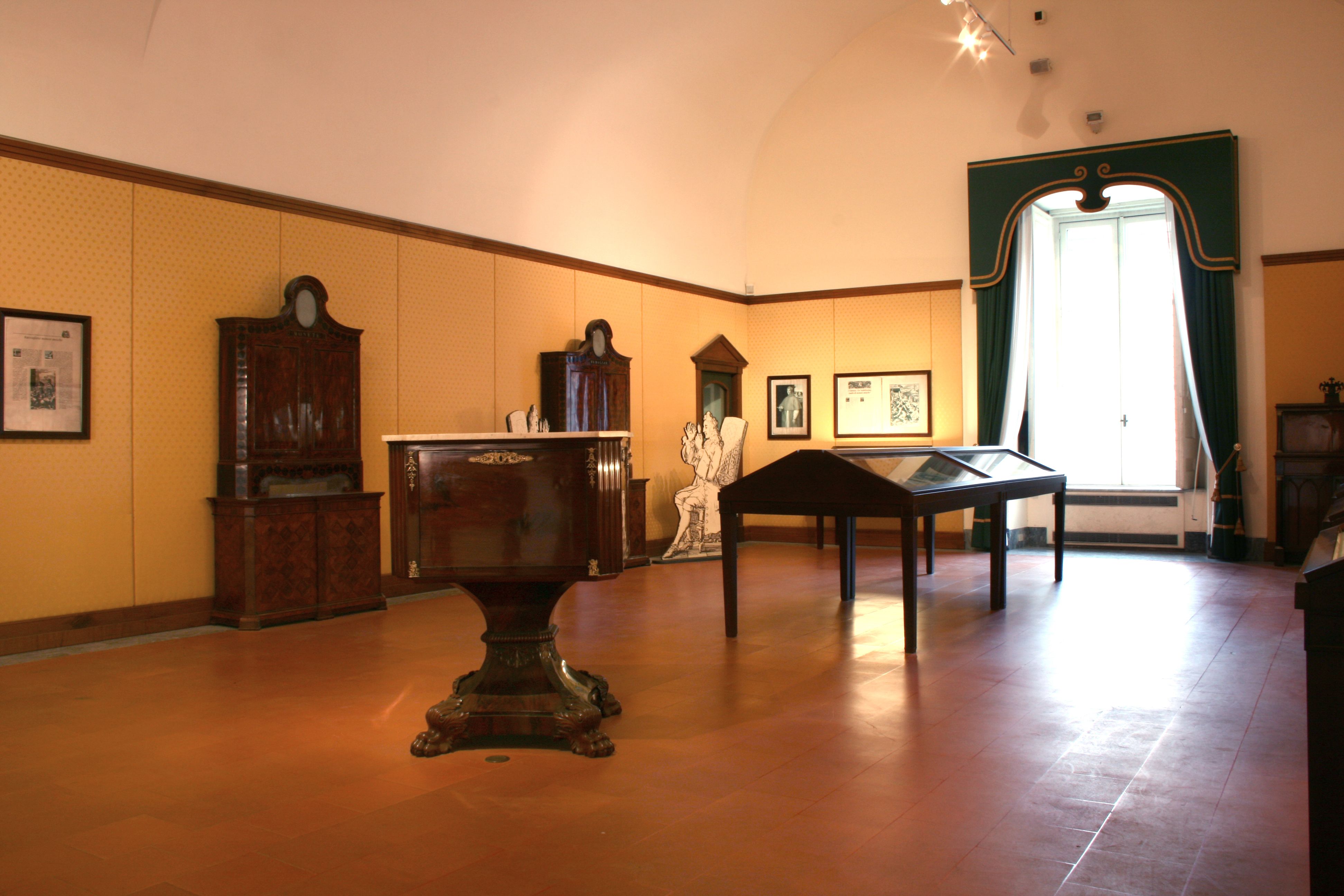
The palace, built at the end of the 16th century with the purpose of a cavalry barracks and since 1616 the seat of the University, was affected starting from 1777 by a long phase of restructuring works, entrusted to the architects Fuga and Schiantarelli. The first setups came to light during the French Decade (1806-1815) and, with the return of the Bourbons to Naples in 1816, the Museum assumed the name of Real Museo Borbonico. Conceived as an encyclopedic institution, various institutes and laboratories were housed in the building, later transferred to other locations.
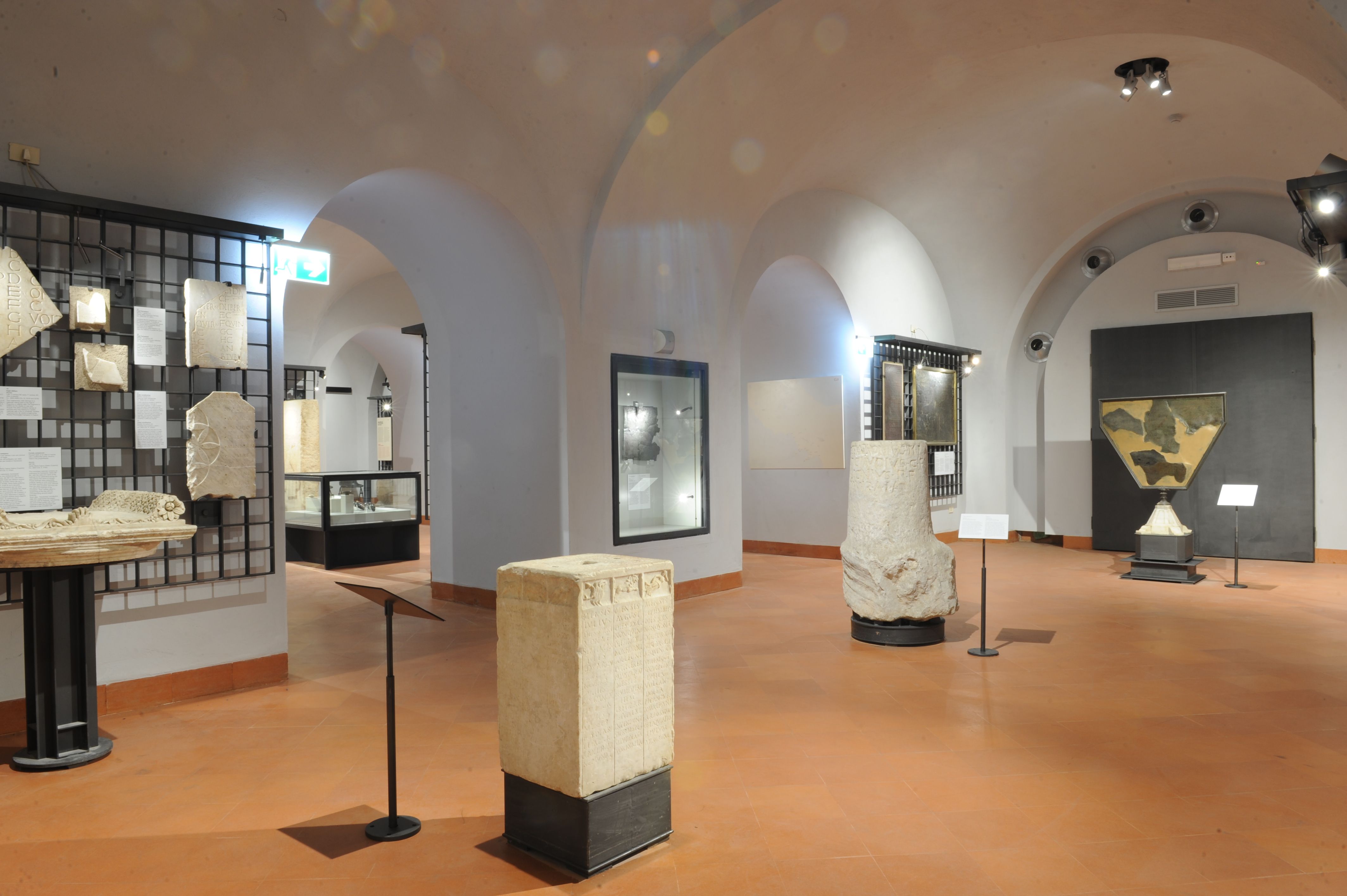
With the Unification of Italy, the Museum became National. Its collections have progressively enriched through artifacts from excavations conducted in Southern Italy, as well as from private collections.
The transfer of the Art Gallery to Capodimonte in 1957 determined its current appearance as an Archaeological Museum.

Piazza Museo, 19,, Naples, Italy
Opening hours
| opens - closes | last entry | |
| monday | 09:00 - 19:30 | |
| tuesday | Closed now | |
| wednesday | 09:00 - 19:30 | |
| thursday | 09:00 - 19:30 | |
| friday | 09:00 - 19:30 | |
| saturday | 09:00 - 19:30 | |
| sunday | 09:00 - 19:30 |