logo
EN
IT
FR
DE
ES
logo
EN
IT
FR
DE
ES
Silk target
closed

Silk target

From 6 February to 26 April 2026

Museum of Oriental Art of Venice

Museum of Oriental Art of Venice

Santa Croce, 2076, Venice

Closed now: open at 10:00

Verified profile
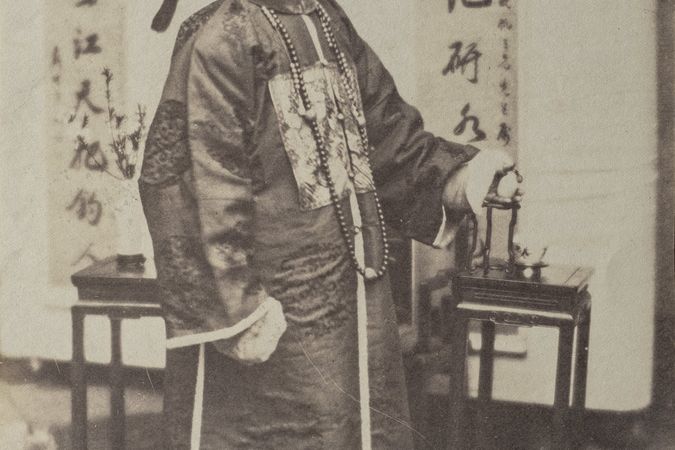

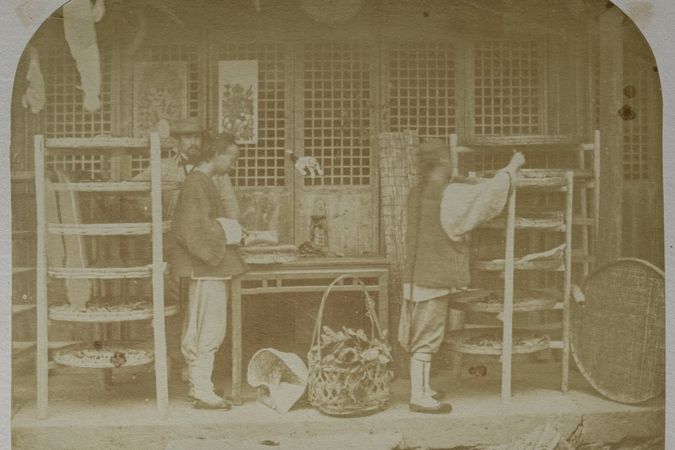
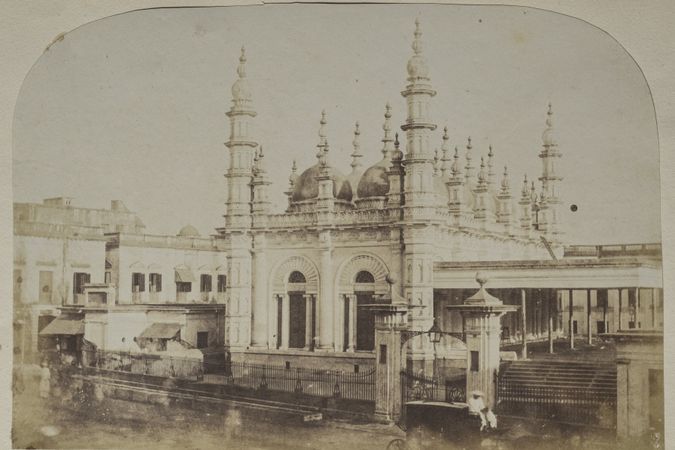
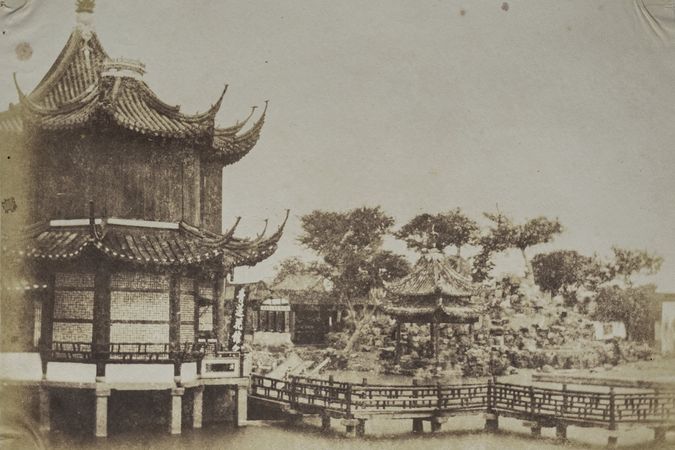
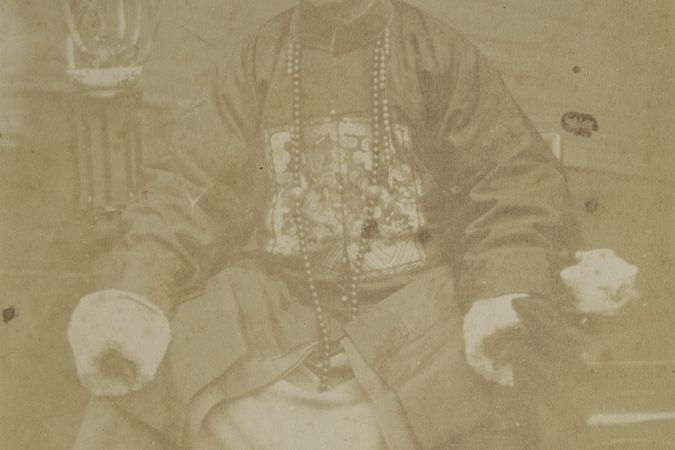
From February 6th to April 26th, 2026, at the Museum of Oriental Art in Venice, it will be possible to visit the exhibition Silk Objective. The 1859 expedition to China in the photographs of Giacomo Caneva. The exhibition, curated by Giulia Pra Floriani, Marta Boscolo Marchi, is the result of a collaboration between the Regional Directorate of National Museums Veneto - Museum of Oriental Art and the Department of Asian and Mediterranean African Studies at Ca' Foscari University of Venice, and was also made possible thanks to the support of the European Union (Horizon Marie Skłodowska-Curie Project "Photography in the Making of Knowledge: European Art-historical and Scientific Investigations on Asia, PhotoMaKEASIA"), the Confucius Institute at Ca' Foscari University of Venice, and the MaP (Marco Polo Research Center on Europe-Asia Global Connections). Thirty-two photographs by Giacomo Caneva (1813-1865), original prints from 1859, from the Vanzella collections of Treviso Pini di Como, document the journey of the noble Friulian Giovan Battista Castellani and Gherardo Freschi, who traveled to India and China in search of healthy silkworms to revive European silk production devastated by the spread of pebrine. Departing from Trieste on January 11th, 1859, the expedition arrived in Pointe de Galle, Sri Lanka, on February 5th, where it split. Part of the group continued to Calcutta and part went to Shanghai, Hangzhou, and finally to Huzhou, where they arrived in April. After collecting the silkworm seeds and a brief stop in Japan, Castellani, Freschi, Caneva, and the other members of the expedition reached Sri Lanka before returning to Italy. In 1859, Shanghai was one of the most important ports for silk export, and Hangzhou was one of the major textile centers of the Qing Empire, along with Nanjing and Suzhou: fabrics used at the imperial palace were produced there. Huzhou was famous for the production of very soft satin and crinkled damask, while in Hangzhou they produced damask, silk gauze, crinkled fabric, and taffeta. In Huzhou, Castellani started a dual breeding of Chinese and imported Italian silkworms to study their growth according to Italian and Chinese procedures, with the help of a local silkworm breeder. There are relatively few surviving images by Caneva documenting this experimentation: some of these were used for engravings later published in a volume by Castellani in 1860. Other prints circulated in international publications such as the French magazine L’Illustration.
Read more

Info and hours

pointer icon

Santa Croce, 2076, Venice, Italy

Open the map

Opening hours

opens - closes last entry
monday Closed now
tuesday 10:00 - 18:00 17:00
wednesday 10:00 - 18:00 17:00
thursday 10:00 - 18:00 17:00
friday 10:00 - 18:00 17:00
saturday 10:00 - 18:00 17:00
sunday 10:00 - 18:00 17:00

Other Exhibitions

in Venice

Related searches

Hokusai
Giappone
Chiharu Shiota
ZHANG HONG MEI