










Campo Santa Maria Formosa, 5252, Venice, Veneto
Closed now: open at 10:00
Verified profile

Contact the museum

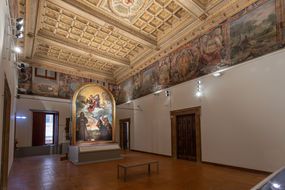
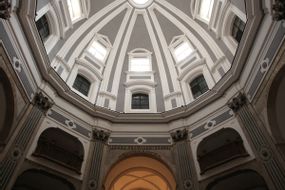
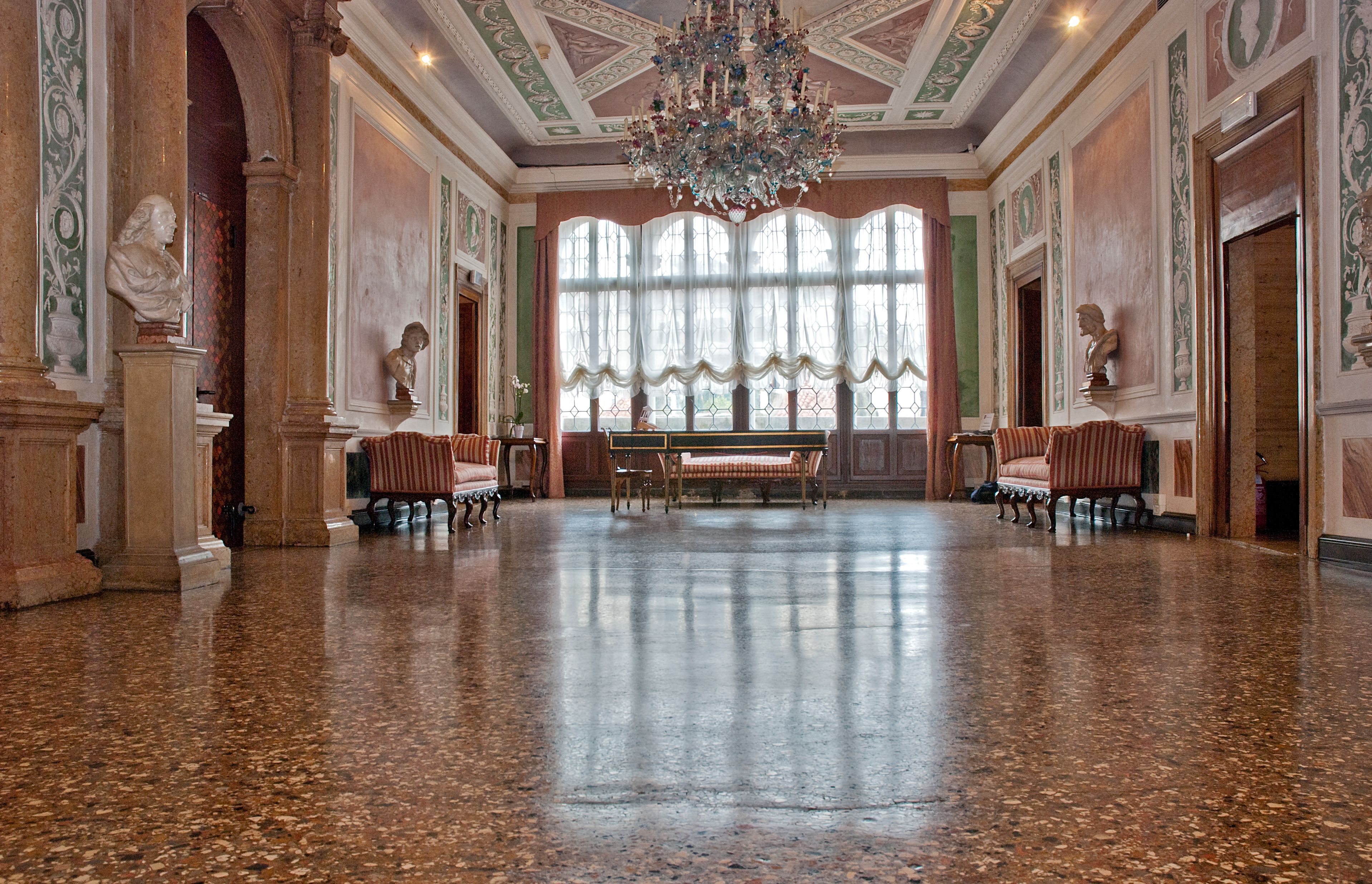
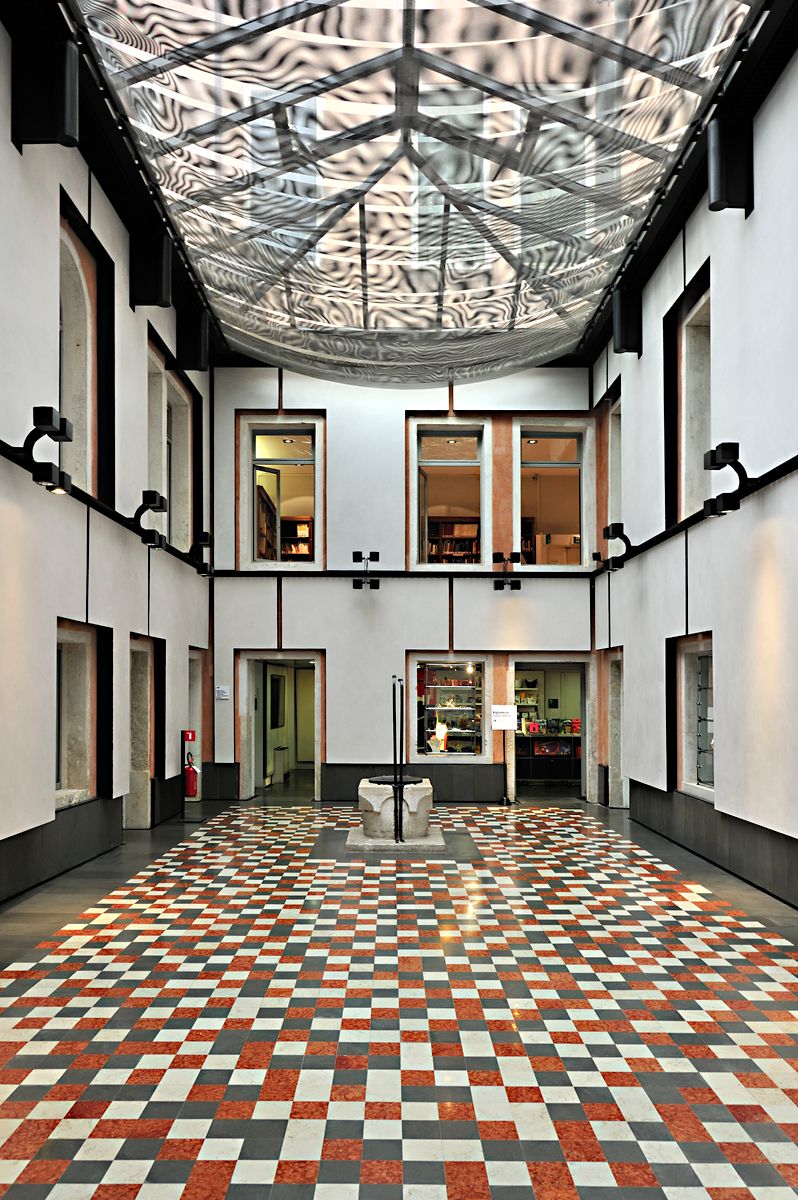
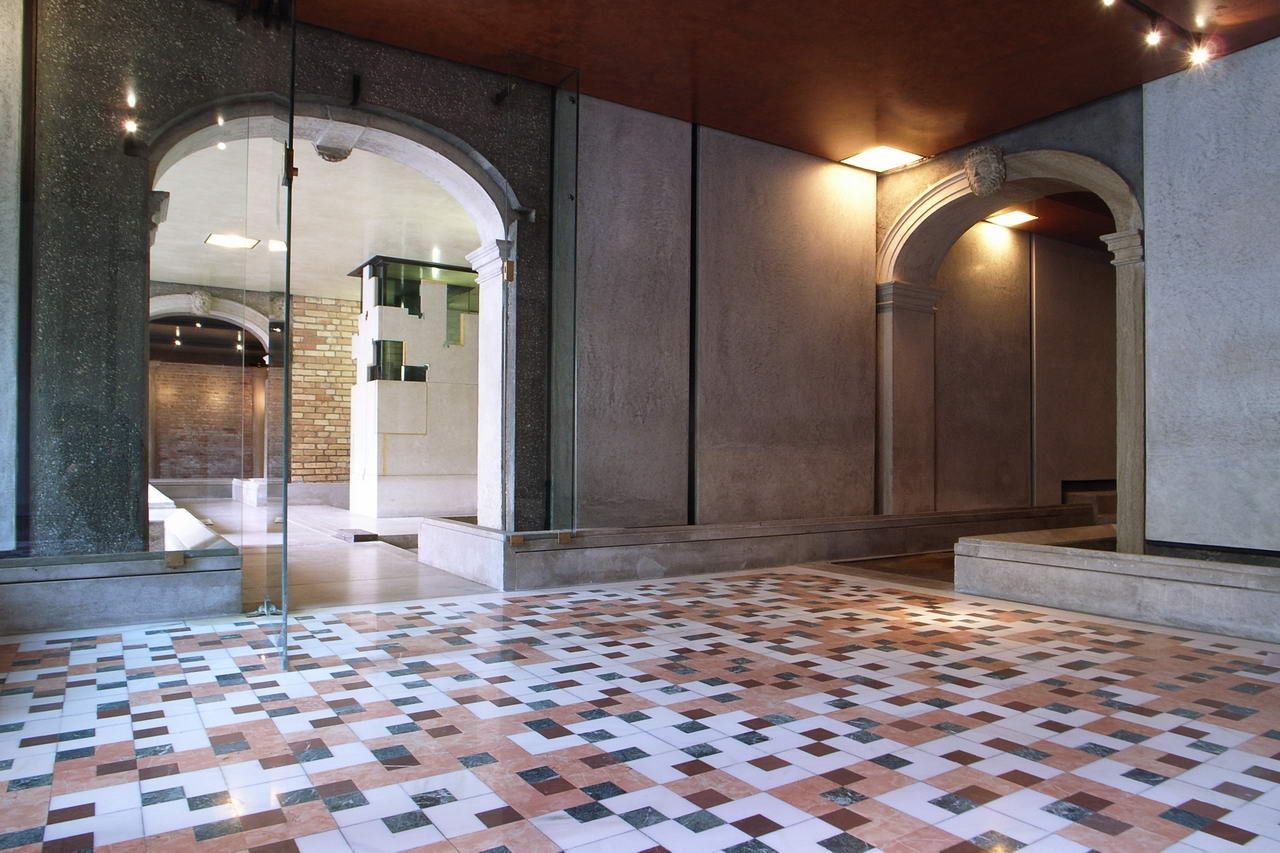
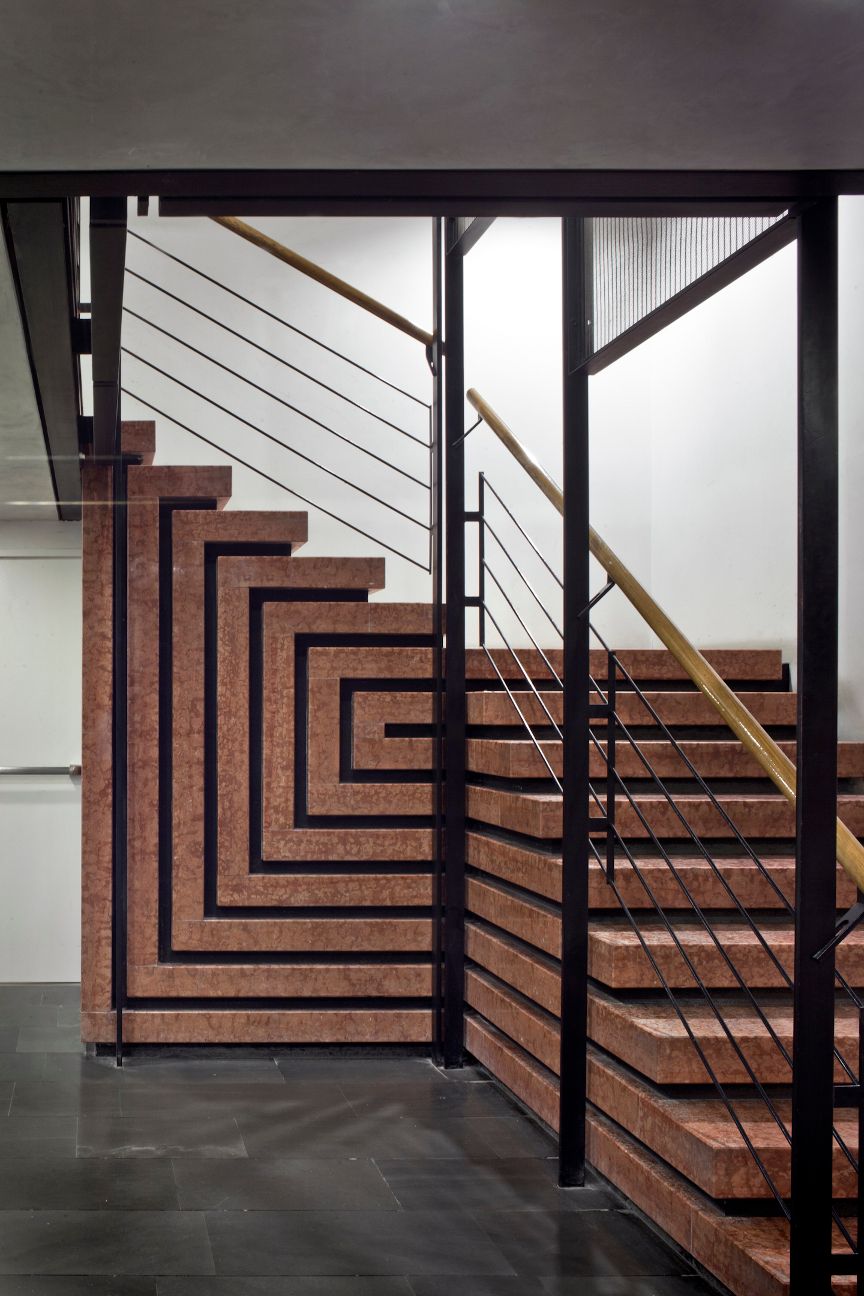
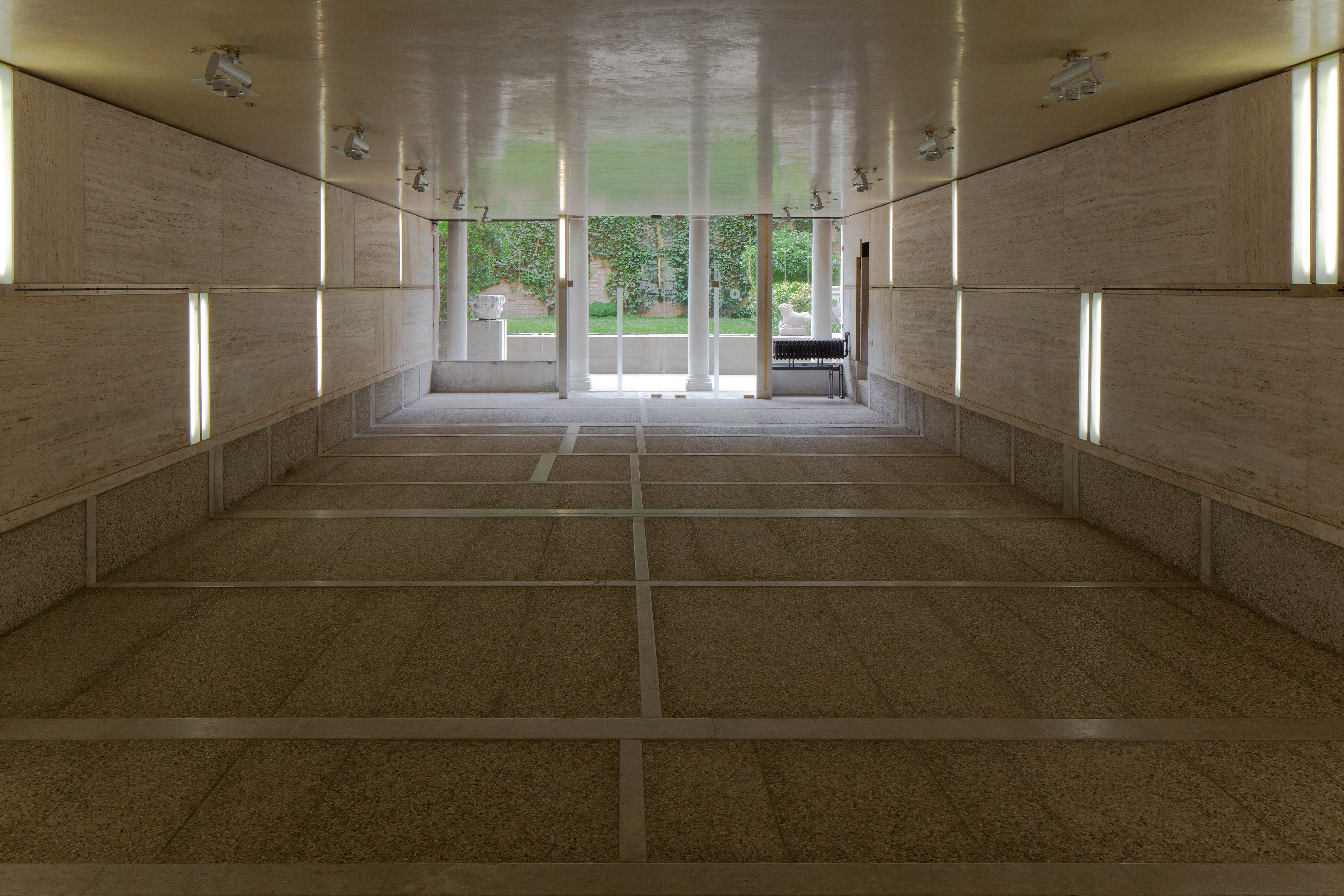
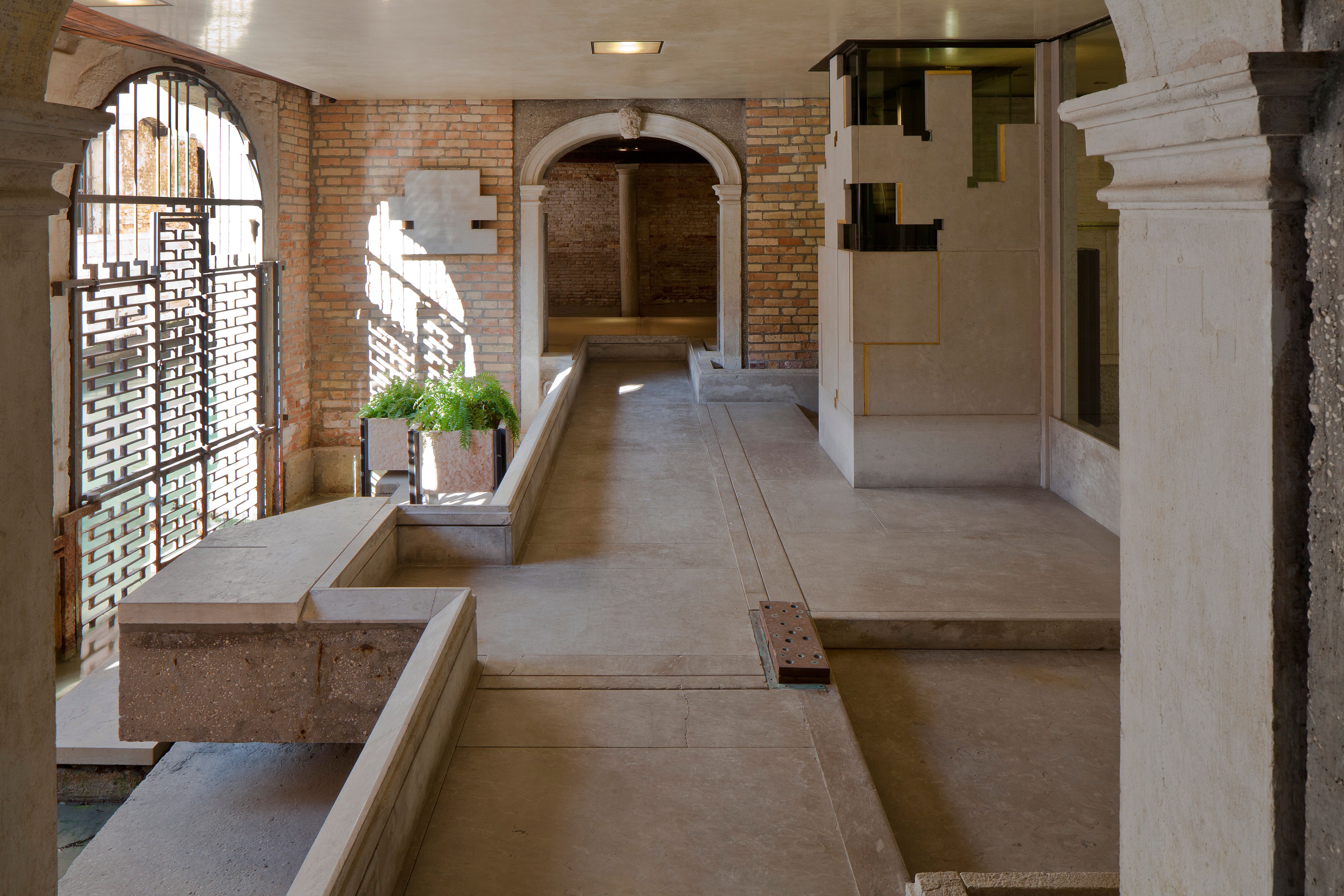
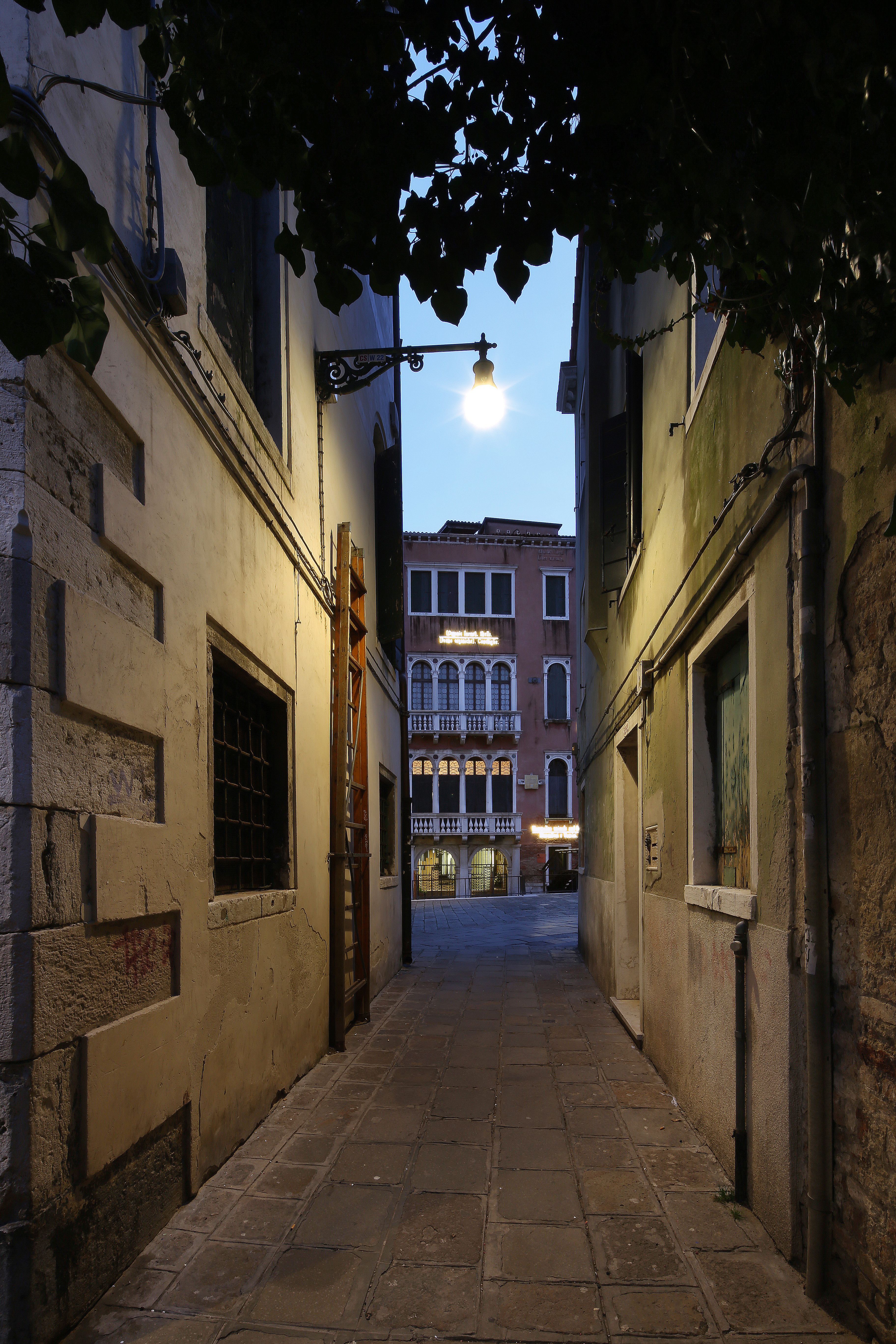
The Fondazione Querini Stampalia is located in Venice in a sixteenth-century palace on the water: inside, the architectural spaces by Carlo Scarpa, Valeriano Pastor, and Mario Botta frame concerts, meetings, exhibitions, workshops, special events: windows wide open to the world, with a look at history and collections. The Fondazione Querini Stampalia was established in 1869 by the last descendant of the family, Count Giovanni, a cultured and philanthropic man.
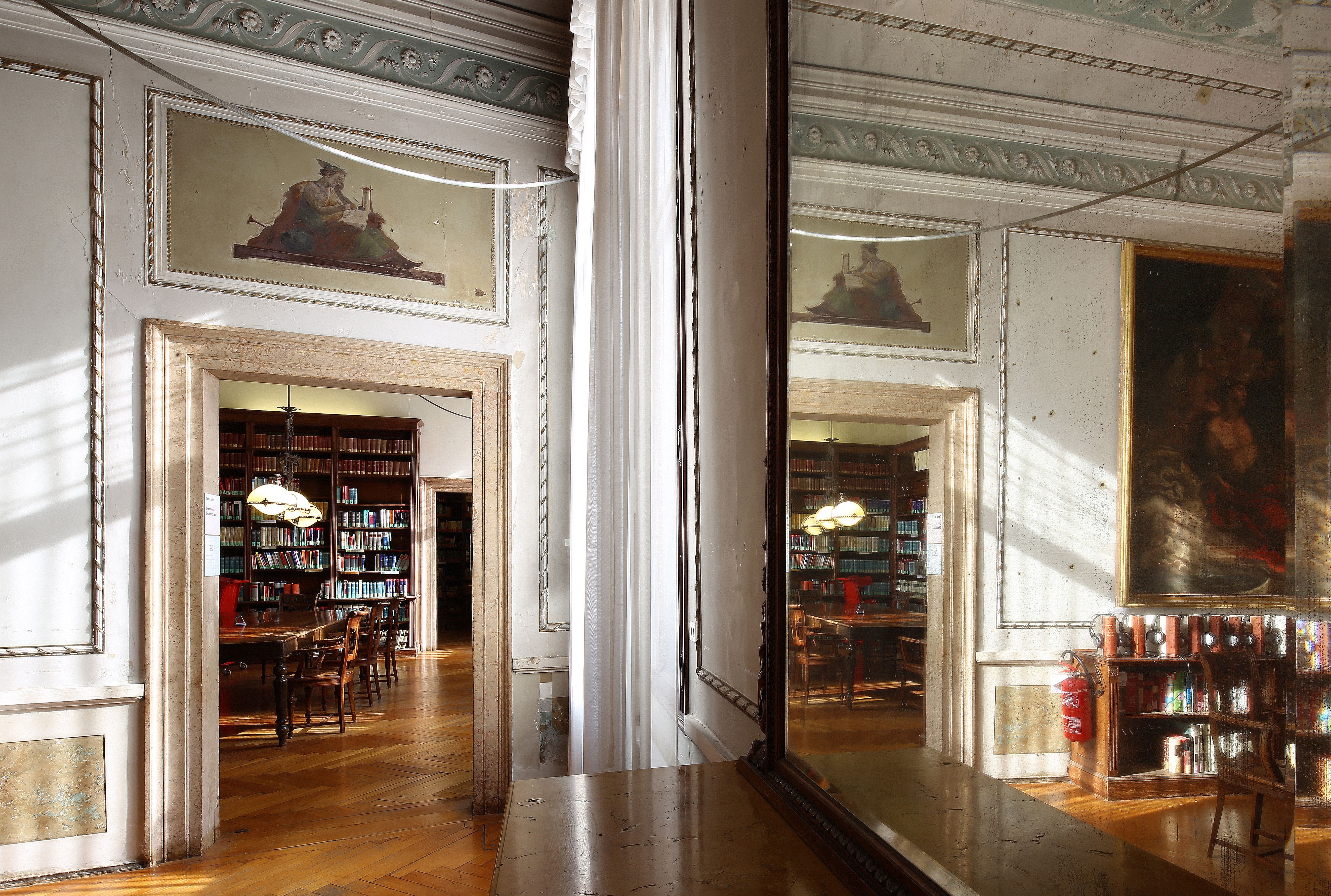
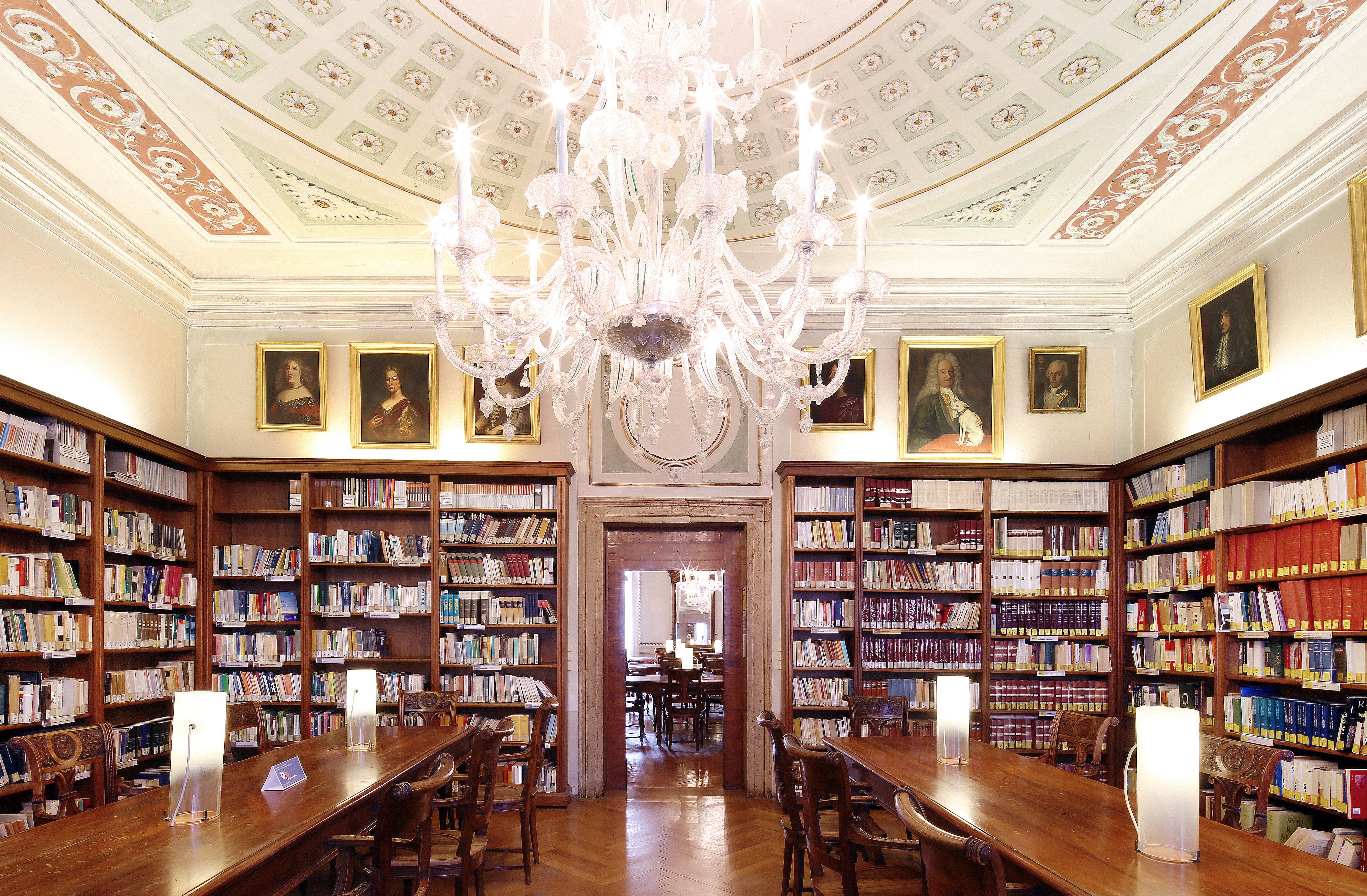
The library has grown over time. It contains almost 400,000 volumes, of which 36,000 are directly accessible in the rooms, open late into the night and even on holidays as per the Founder's wishes. Among the collections, there is an ancient core of manuscripts, incunabula, sixteenth-century prints, atlases, and maps, which along with the private archive of the Querini Stampalia family, provide valuable historical evidence of Venice and its territory.
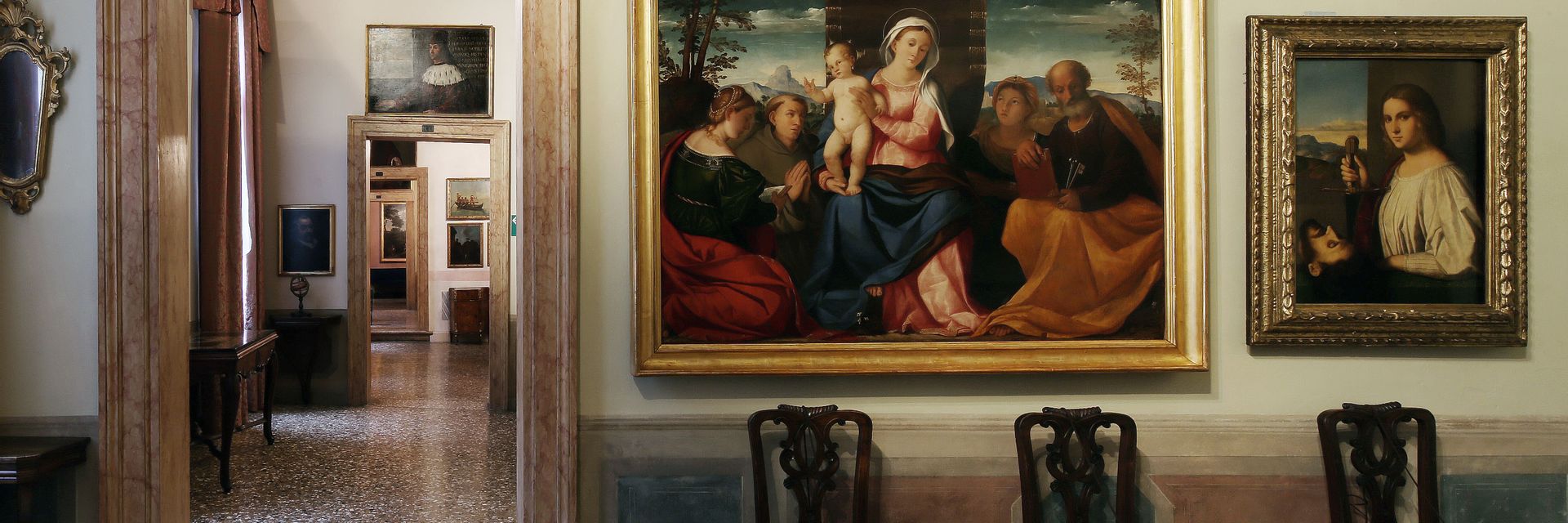
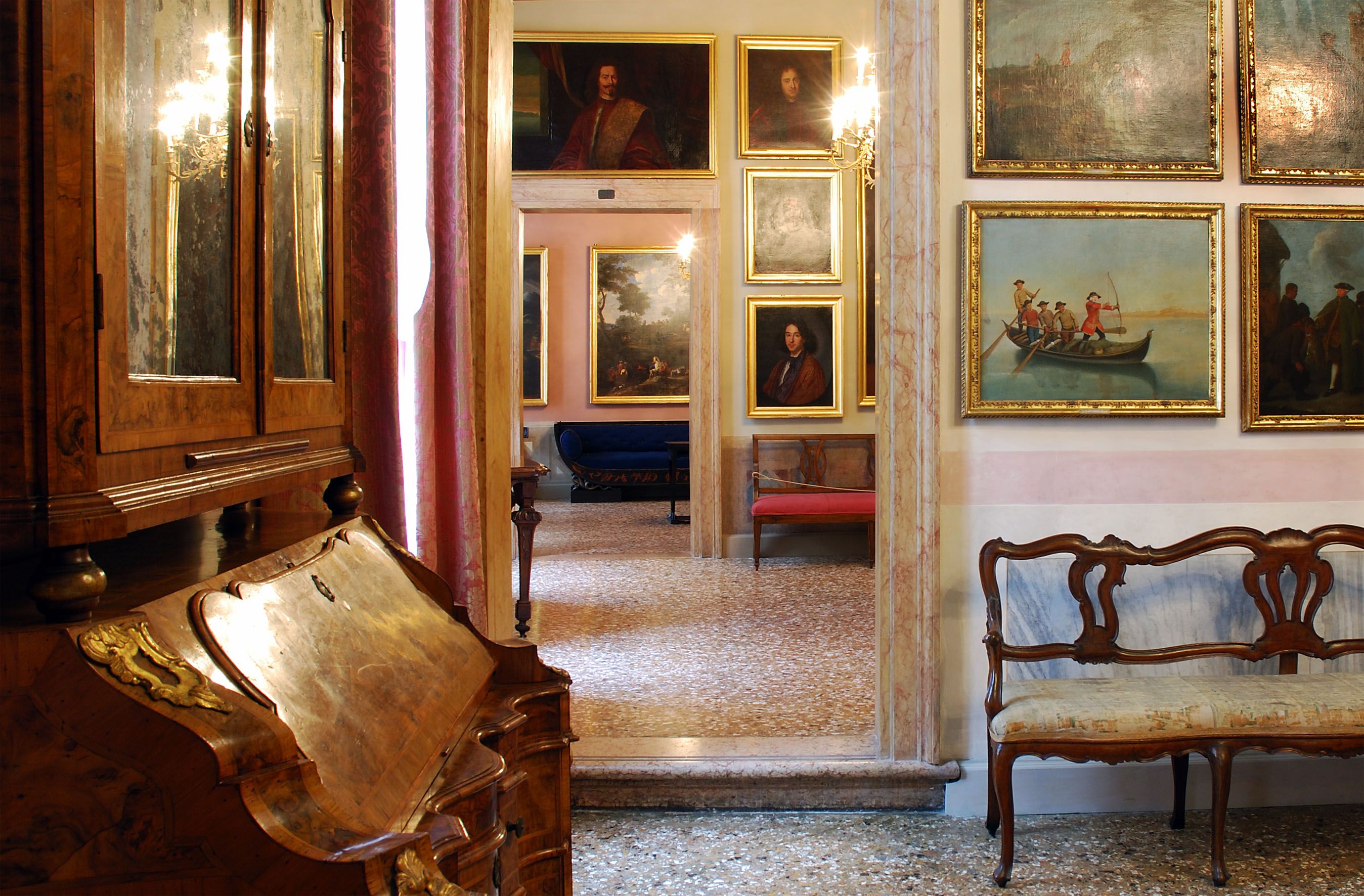
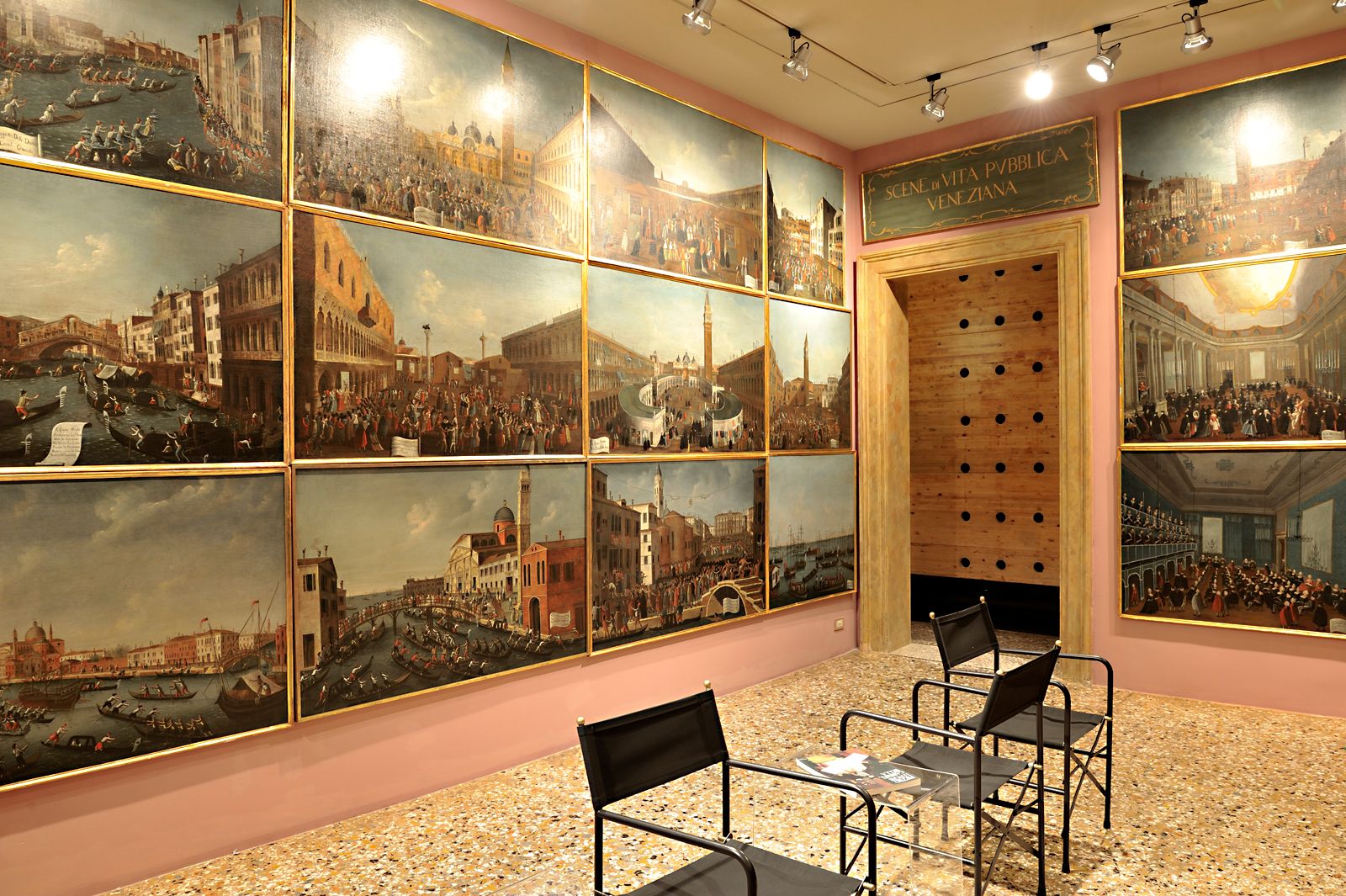
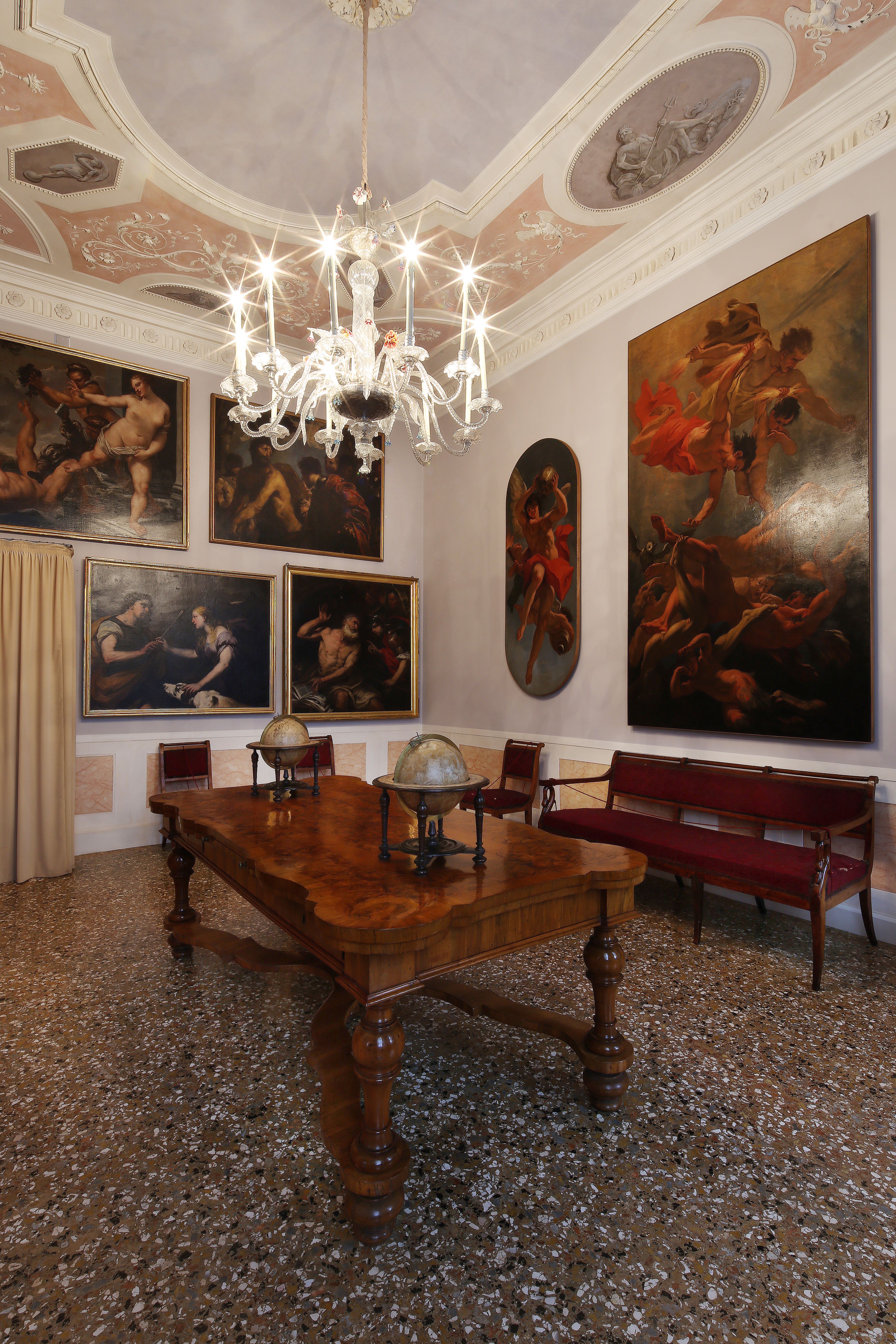
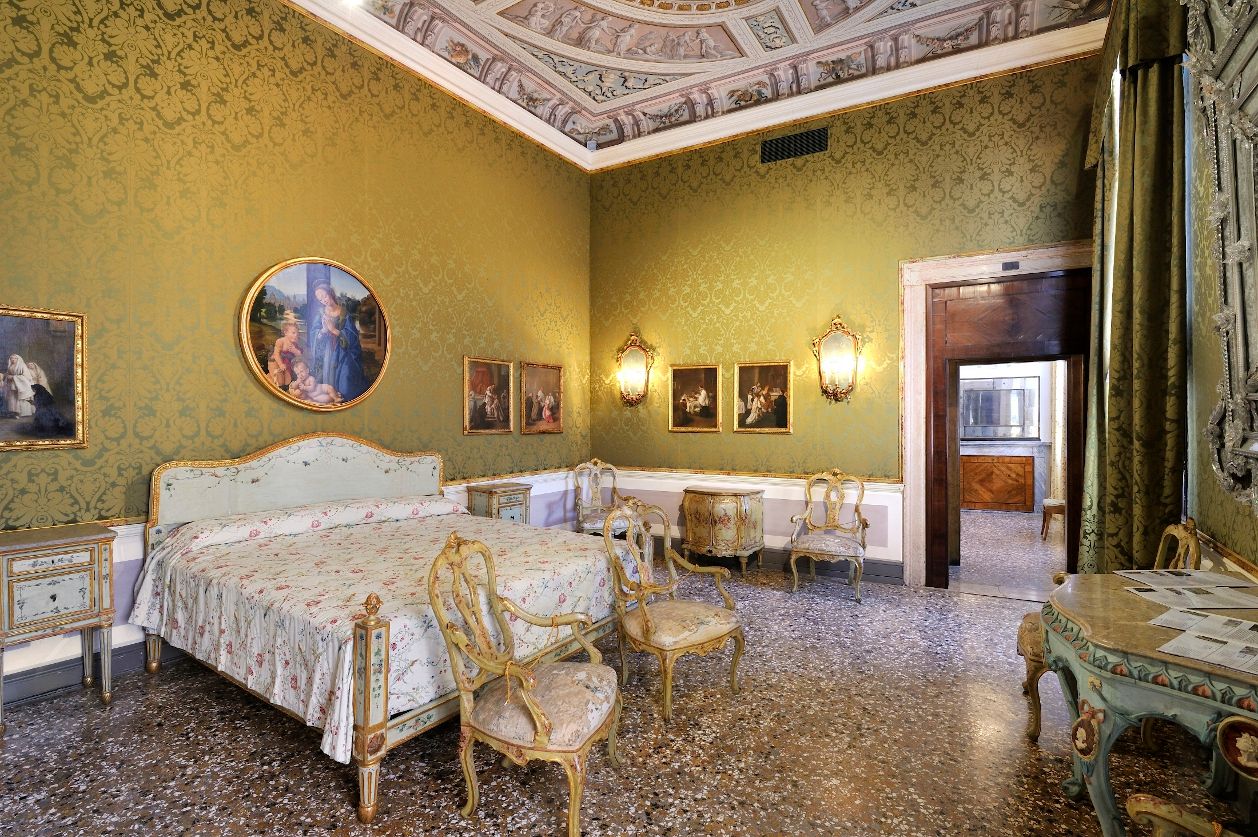
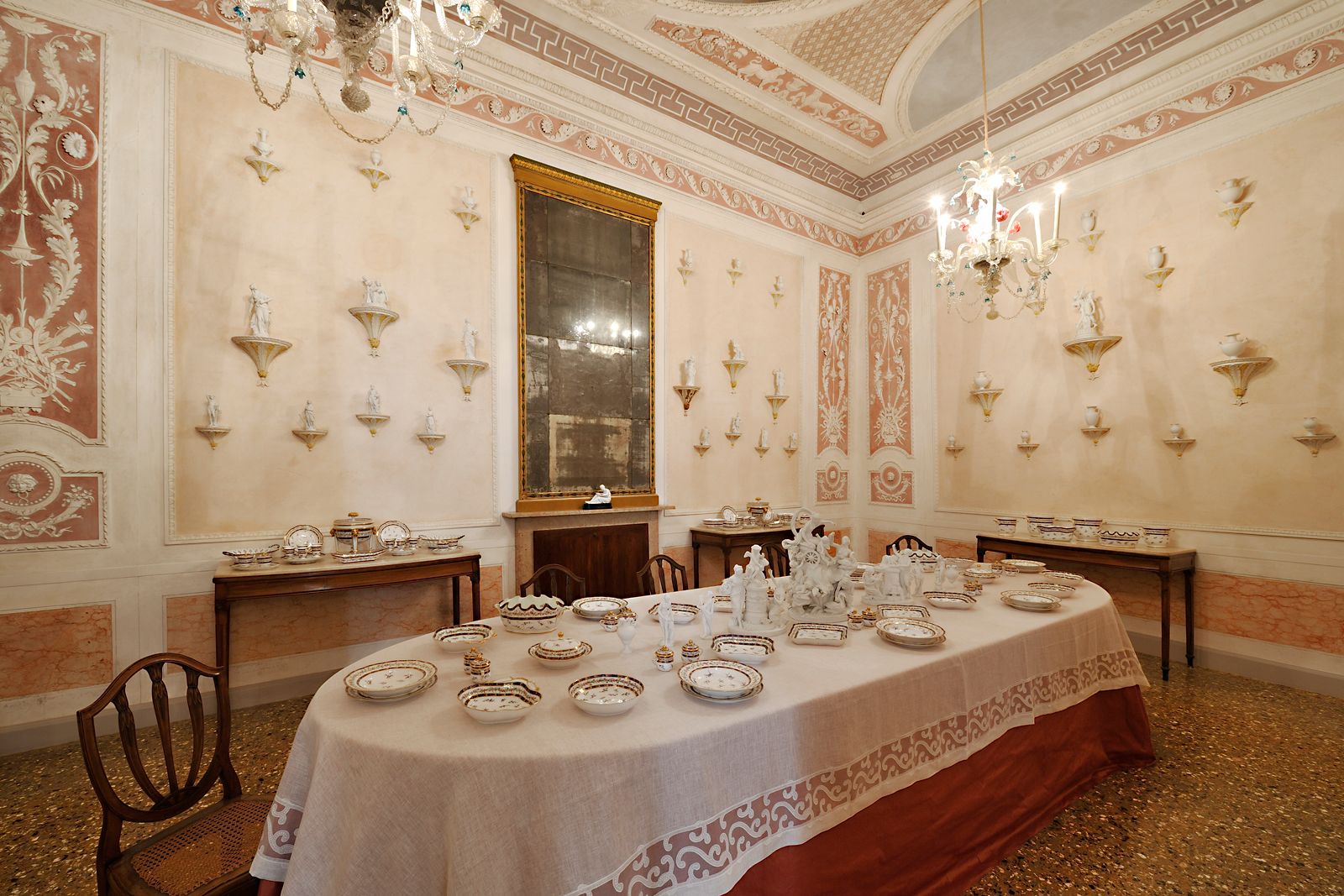
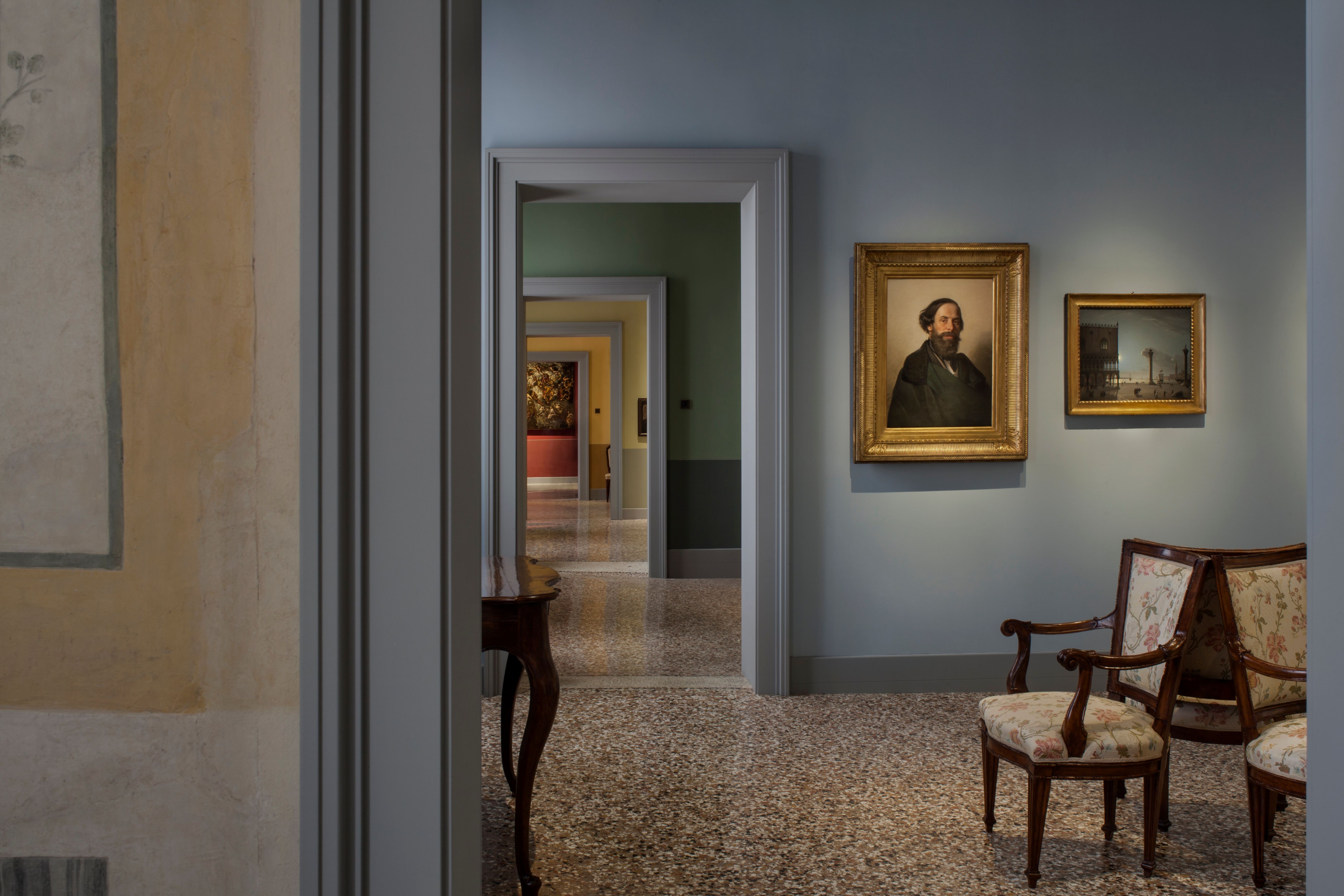
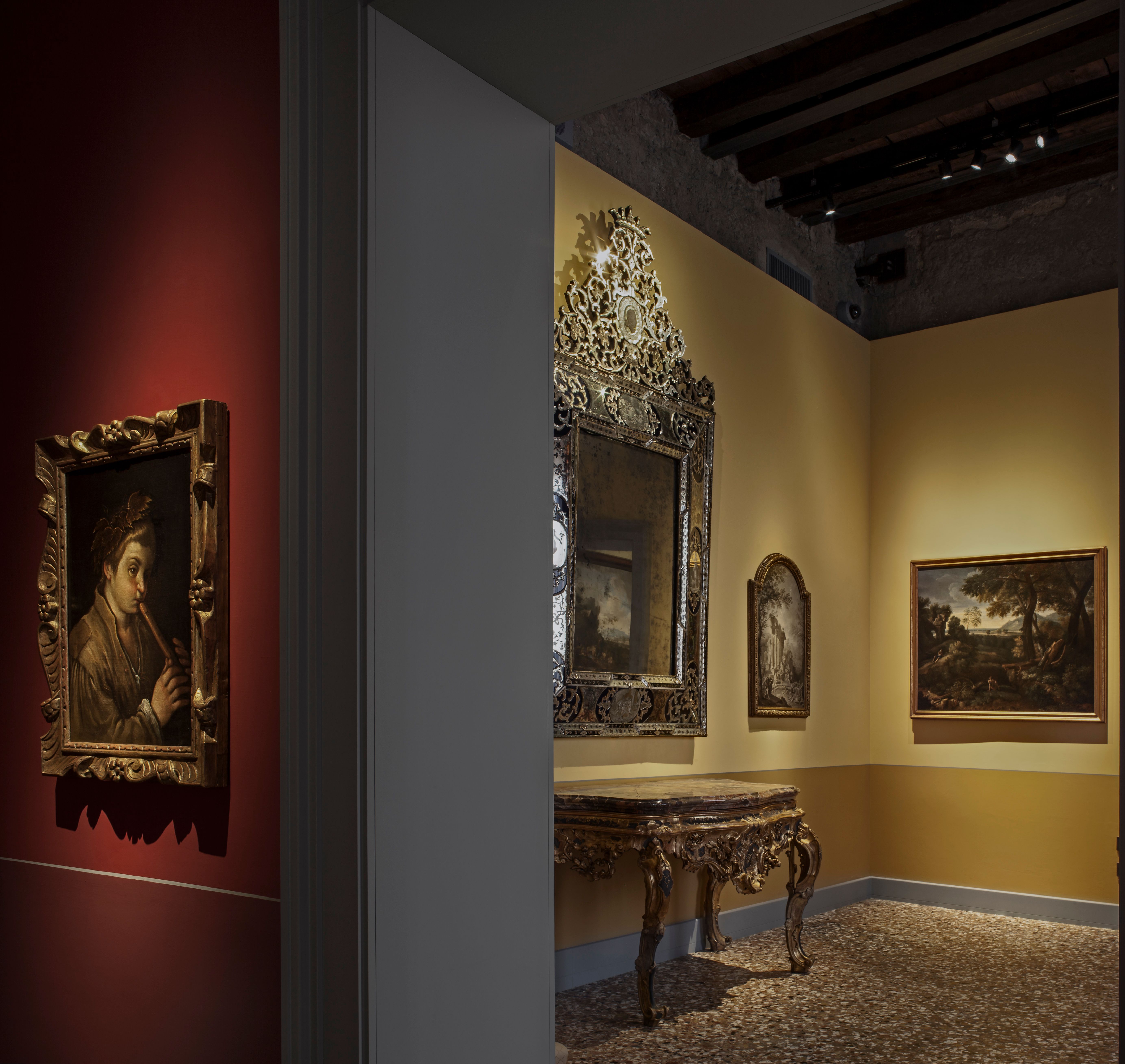
The museum house still seems inhabited, a model of a patrician residence with original furnishings and rich art collections: Giovanni Bellini, Lorenzo di Credi, Jacopo Palma il Vecchio, Bernardo Strozzi, Marco and Sebastiano Ricci, Giambattista Tiepolo, glimpses of Venetian life by Pietro Longhi and Gabriel Bella. Over four hundred paintings, from the 14th to the 20th century, mostly from the Venetian school.
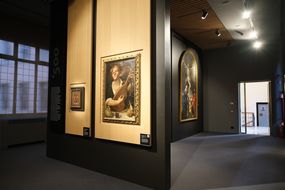
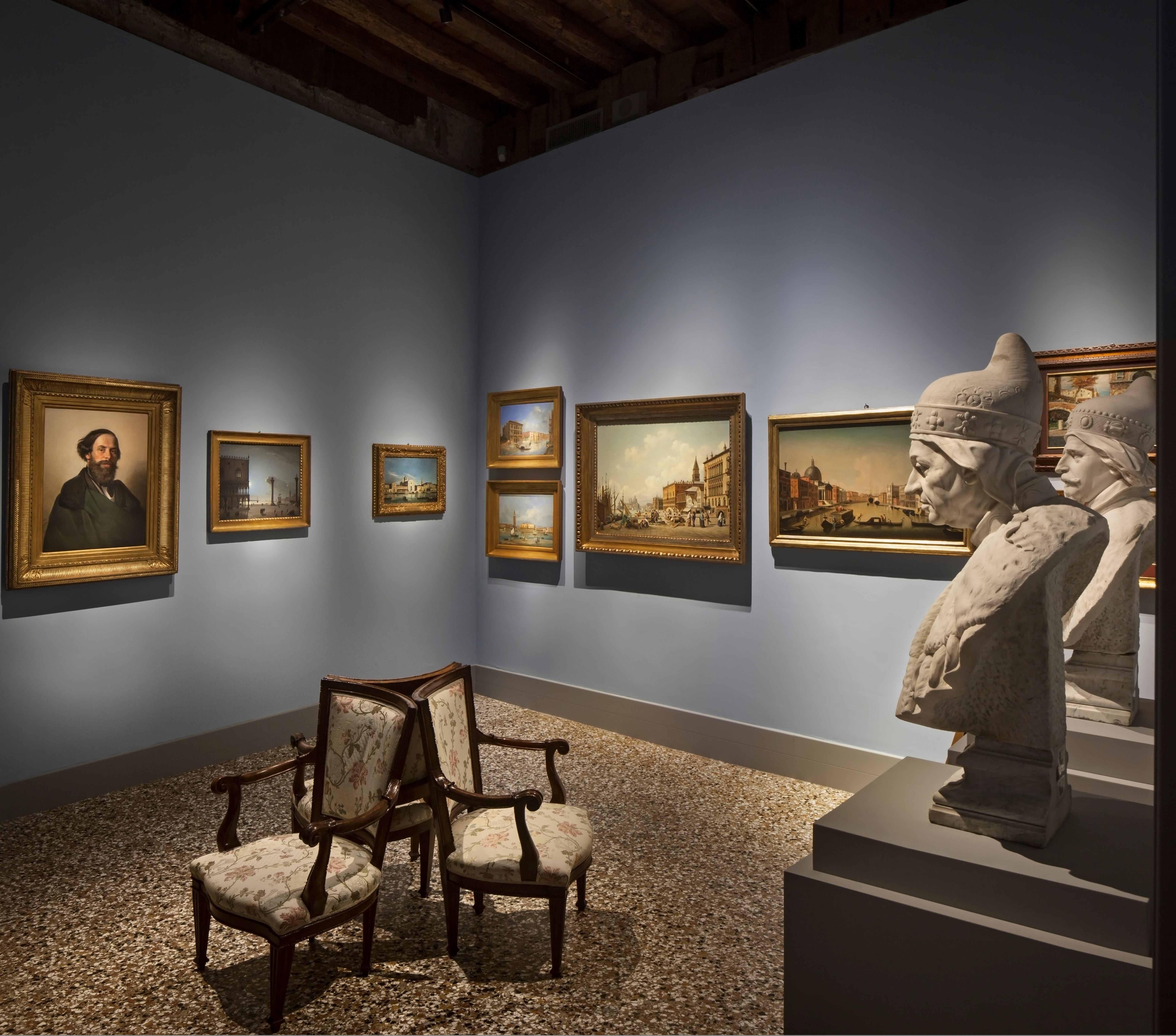
Recently, the Fondazione Querini Stampalia has been enriched with a new, precious section: the Intesa Sanpaolo collection, displayed in spaces redesigned by architect Michele De Lucchi. It is the historical artistic heritage gathered over time by the Cassa di Risparmio di Venezia, founded in 1822. In the succession of rooms, the public can admire Venetian art from the 16th to the 20th century, ranging from painting to sculpture, furniture to clocks, drawings to engravings.
Particularly notable are two paintings by Canaletto, the large sketch of the Paradise by Domenico Tintoretto and that of the Last Judgment by Giambattista Tiepolo, as well as works by great masters of the Venetian school up to Caffi and Ciardi. Among the sculptures are works by Arturo Martini and Alberto Viani.
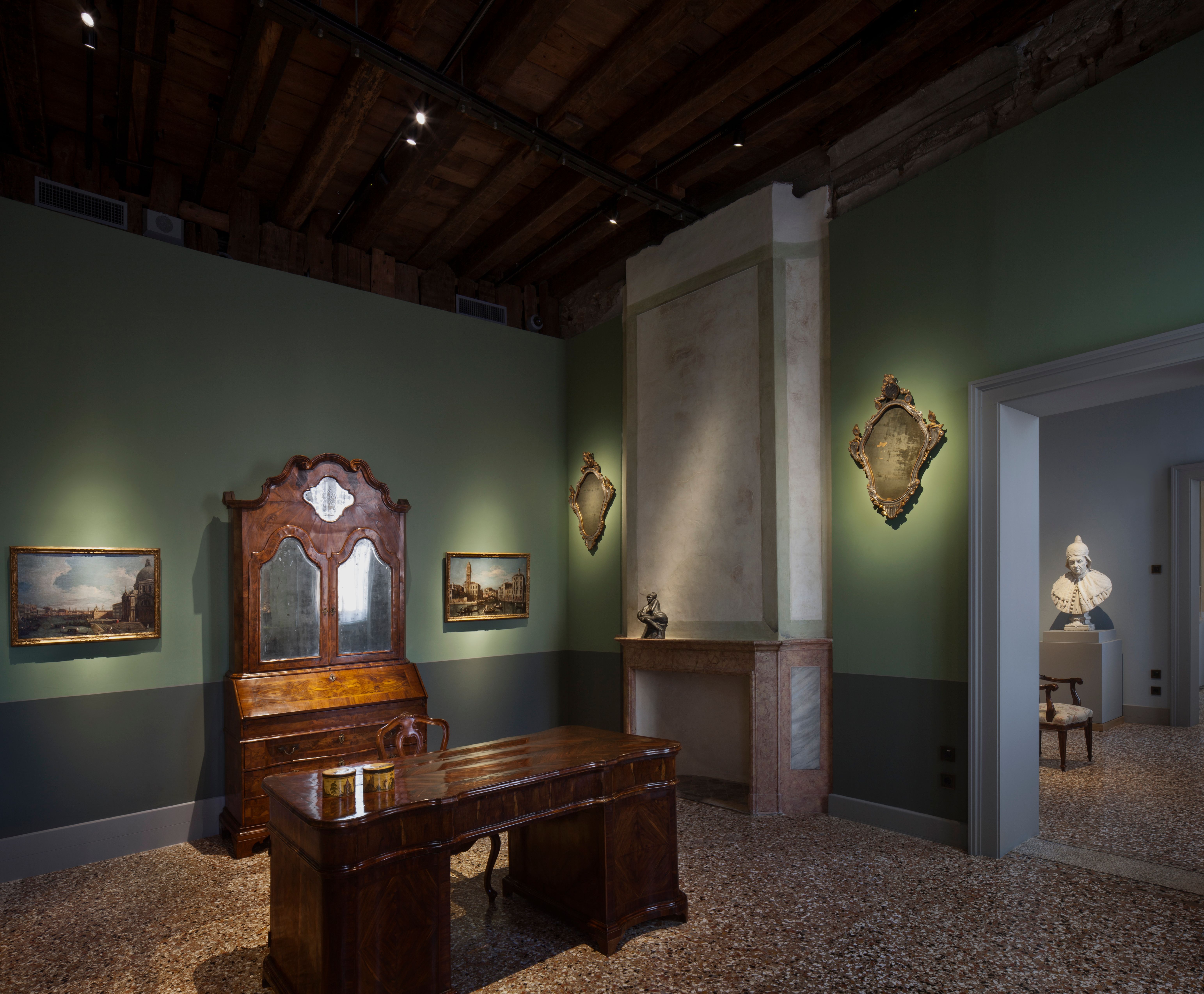
Significant are the bureau-trumeau, desks, consoles from the 17th and 18th centuries, mirrors, including a Murano manufacture specimen from the 17th century that stands out for its complex workmanship and dimensions.
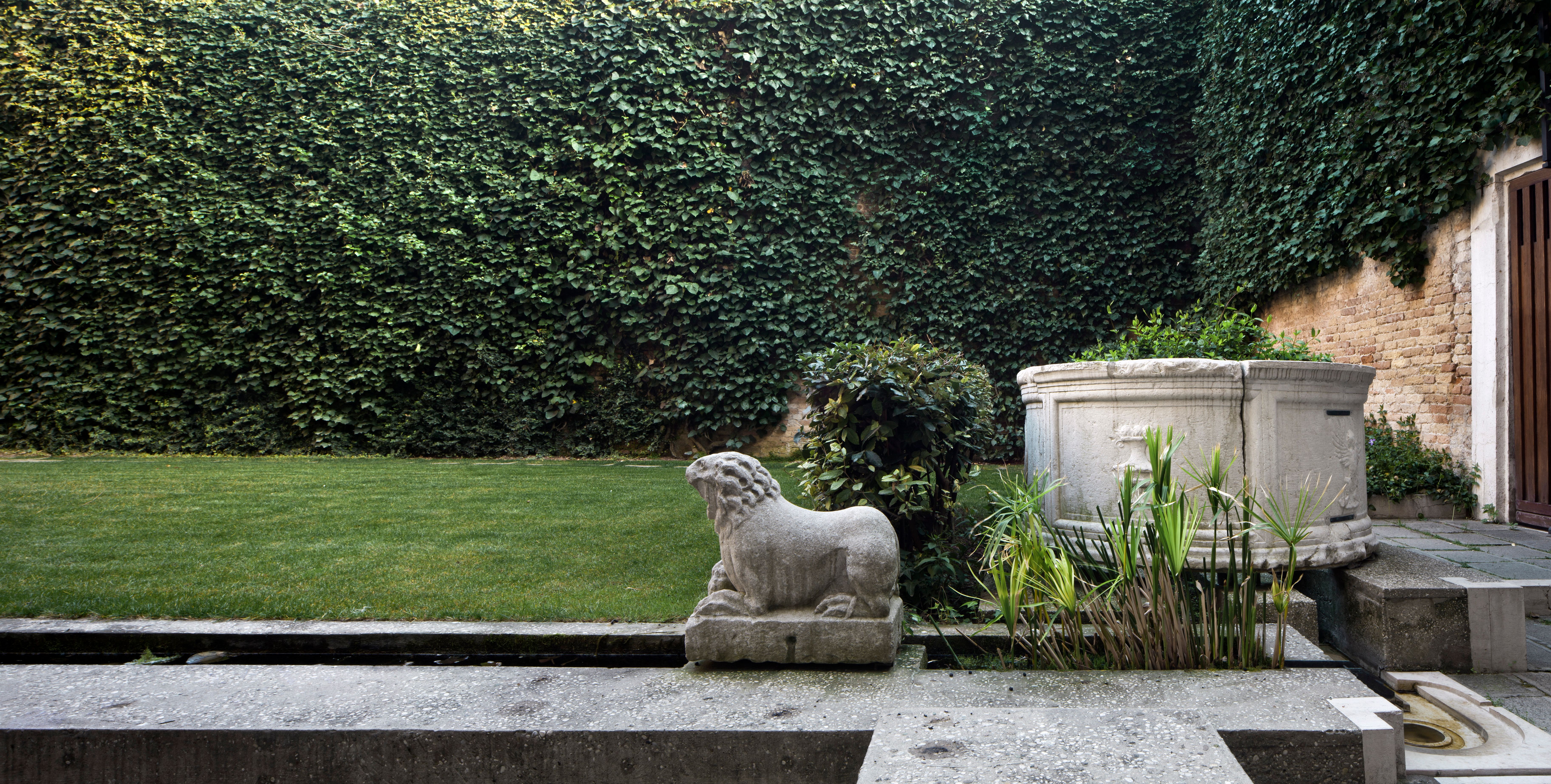
A refined bookshop, a cozy café, the secret garden with its oriental suggestions. An unusual Venice, where you can experience the emotion of art and beauty.

Campo Santa Maria Formosa, 5252, Venice, Italy
Opening hours
| opens - closes | last entry | |
| monday | Closed now | |
| tuesday | 10:00 - 18:00 | |
| wednesday | 10:00 - 18:00 | |
| thursday | 10:00 - 18:00 | |
| friday | 10:00 - 18:00 | |
| saturday | 10:00 - 18:00 | |
| sunday | 10:00 - 18:00 |