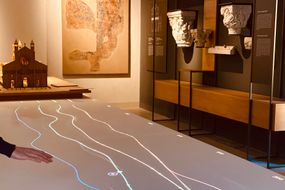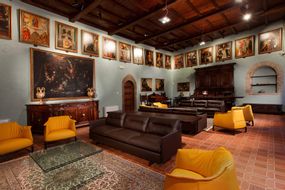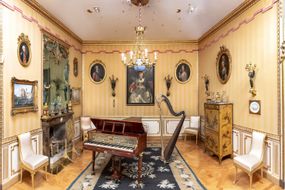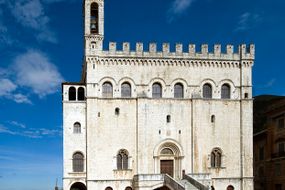
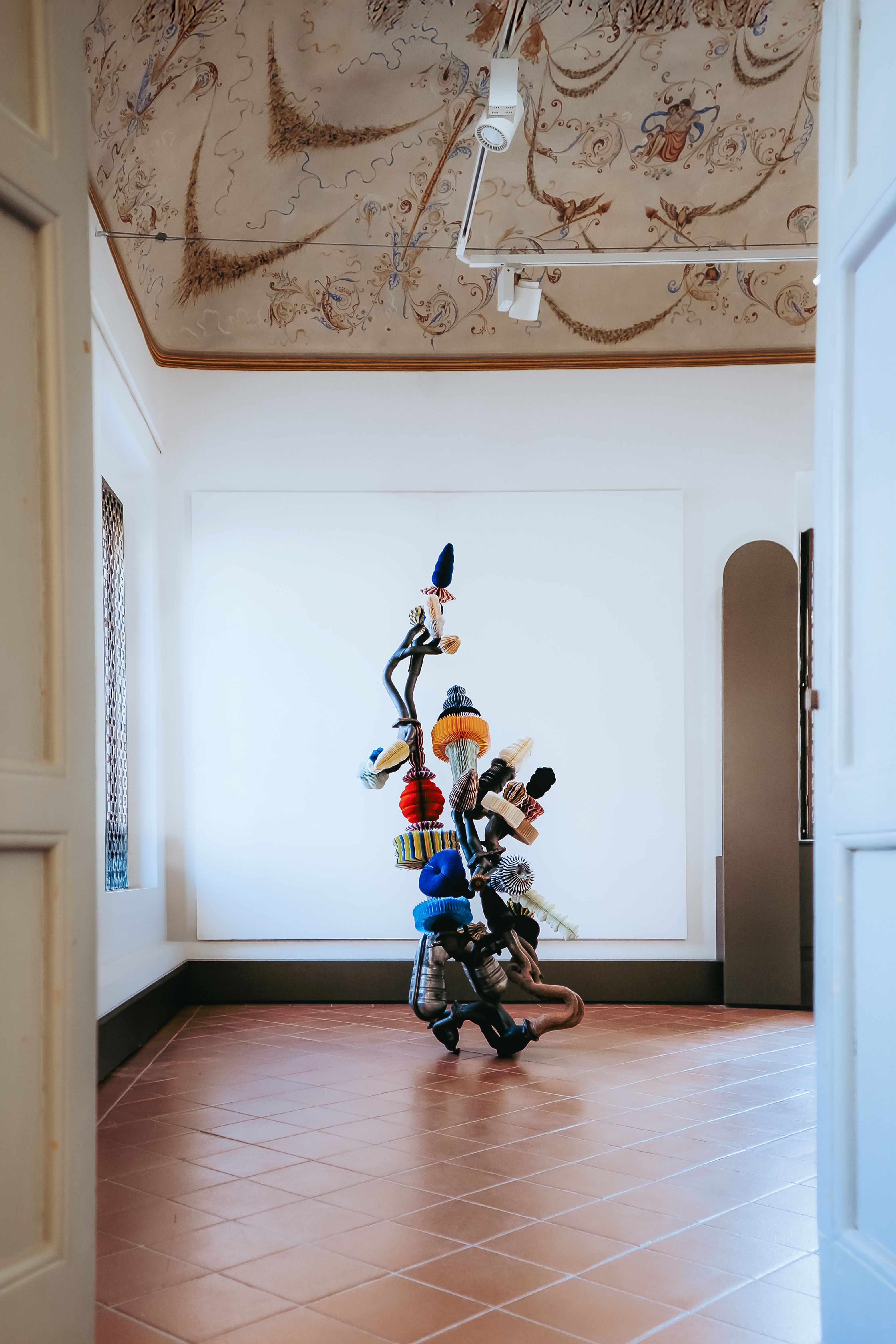
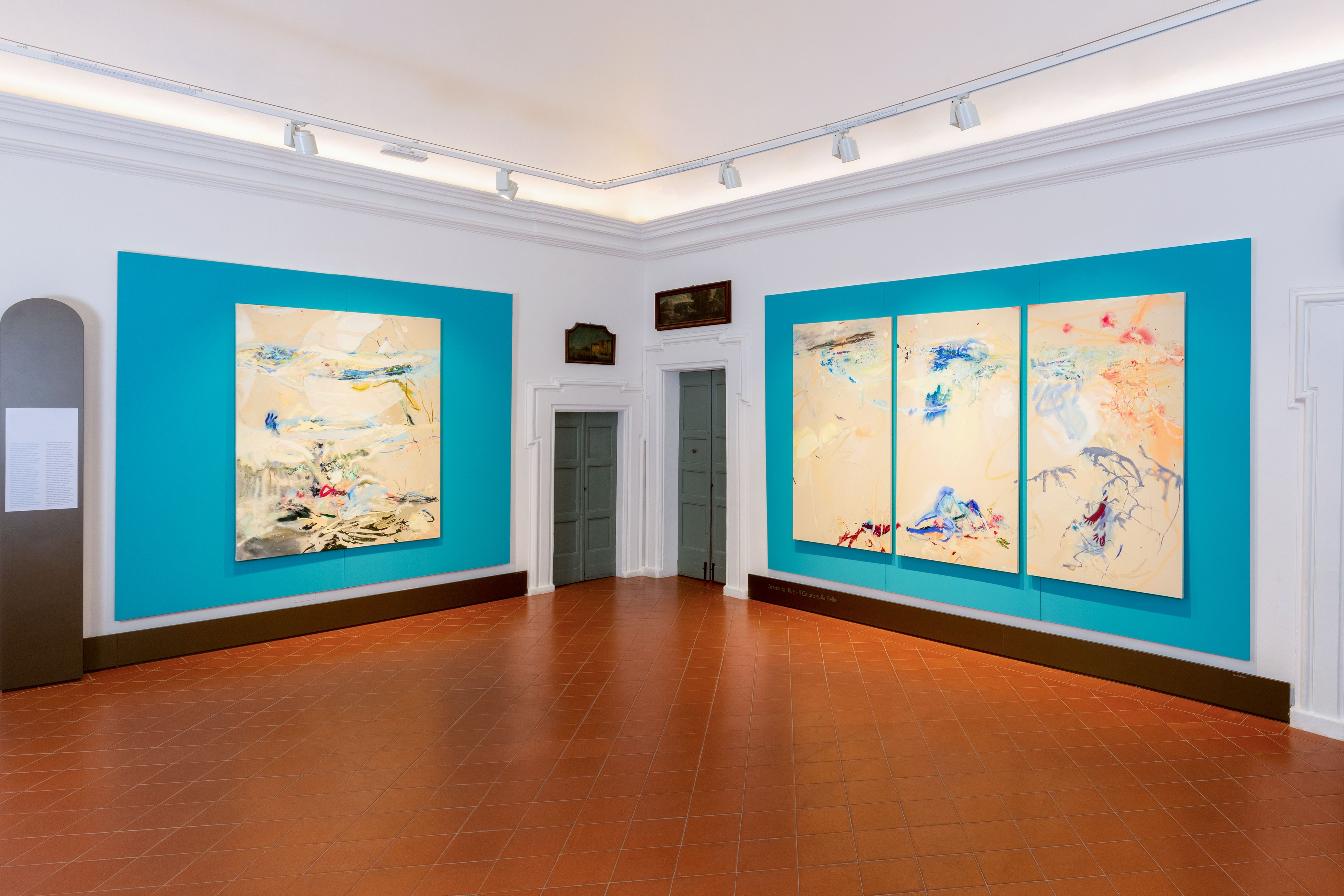
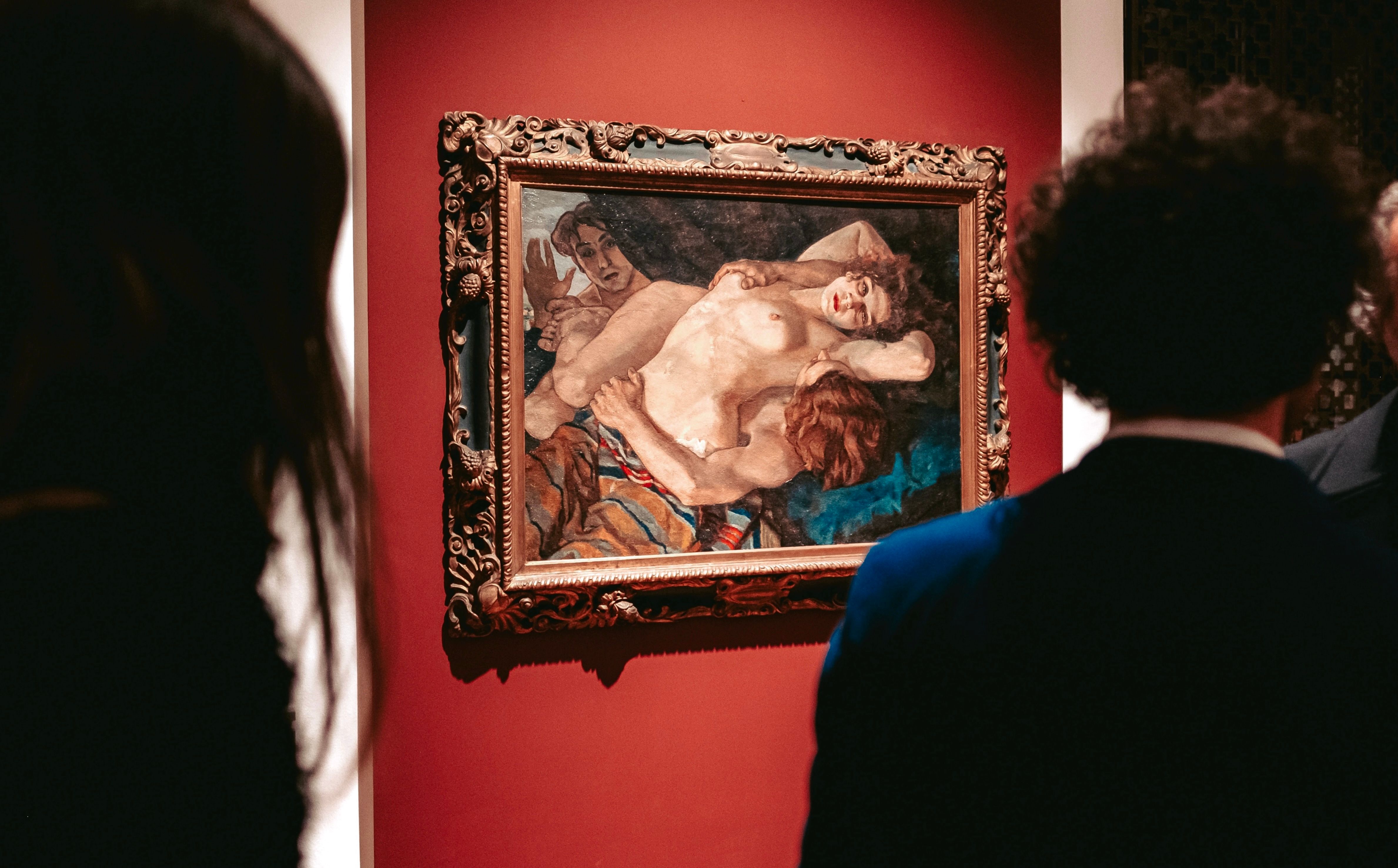
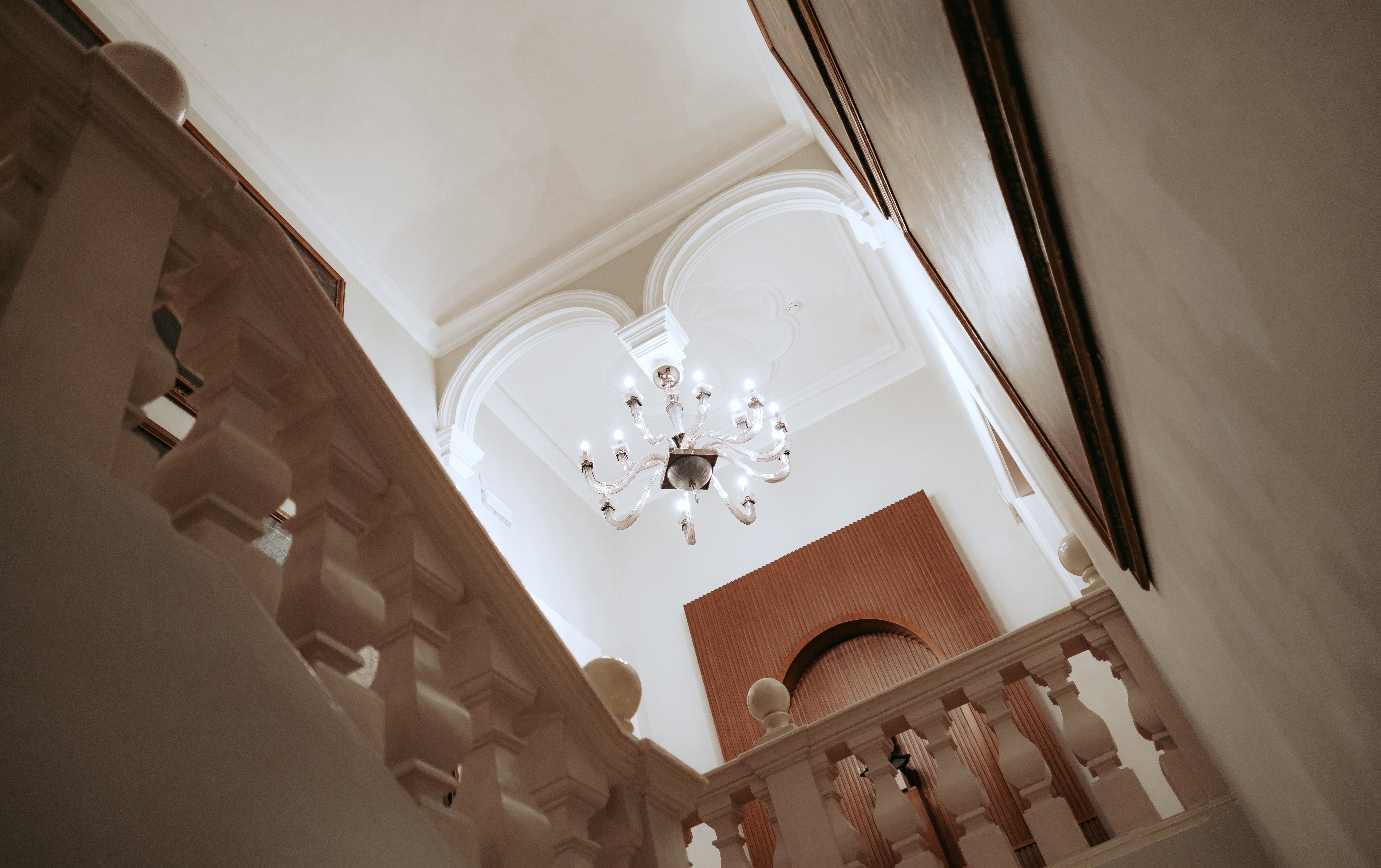

The MARV - Museo d’Arte Rubini Vesin - is the Civic Museum of the Municipality of Gradara. Established in July 2022, it is located in the premises of the eighteenth-century Palazzo Rubini Vesin, formerly the municipal seat. Since the art collections of the Municipality are displayed in the adjacent Rocca di Gradara, the MARV is now a multifunctional container dedicated to the temporary exhibition of ancient and modern art, with particular reference to the art of the Marche region.
Formerly an aristocratic residence and then, after the Unification of Italy, the municipal seat, the MARV is closely related to the urban fabric of the small medieval village of Gradara. Its windows overlook the Adriatic Sea and the Marche Apennines. Its elegant eighteenth-century spaces, originally designed to accommodate a private residence, create a simple and welcoming environment where the enjoyment of art becomes an experience as intimate as it is direct. In an age dominated by the rhetoric of 'major events' and 'major exhibitions', the MARV offers an encounter with art on a human scale, based on direct experience and, when possible, on a 'hands-on' approach.
A center of military and strategic importance since the early Middle Ages, Gradara has been ruled over the centuries by some of the most splendid lordships of the Italian Renaissance: the Malatesta of Rimini, the Sforza of Pesaro, the Montefeltro and the della Rovere of Urbino. In addition to an important Franciscan convent located just outside the walls, the village boasts three significant religious buildings: the church of the Most Holy Sacrament, that of San Giovanni Evangelista (which serves as the chapel of the Rocca), and that of Santa Sofia, now destroyed. With the Unification of Italy, many important works of ecclesiastical origin became part of the municipal collections. As noted in April-July 1861 by Giovanni Cavalcaselle and Giovanni Morelli, appointed by the new unified state to inventory the region's assets, among these stand out the Pala di Santa Sofia by Giovanni Santi, executed for Gradara in 1484 (in which the figure of the Child has been identified as a portrait of the newborn Raphael); the large glazed terracotta by Andrea Della Robbia, one of the most beautiful in the Marche region and later passed to the State; and a Madonna della Misericordia dated 1494 and recently attributed to Andrea da Murano, an important example of Venetian presence in the Marche region of the fifteenth century.
Since 1992, the art collections of the Municipality of Gradara have been deposited in the State-owned Rocca, in order to be preserved and presented to a greater number of visitors.