
Piazza Eremitani, 8, Padua, Veneto
Closed now: open at 10:00
Verified profile

Contact the museum

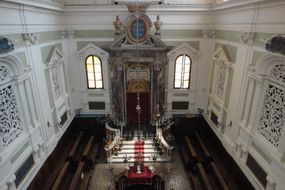
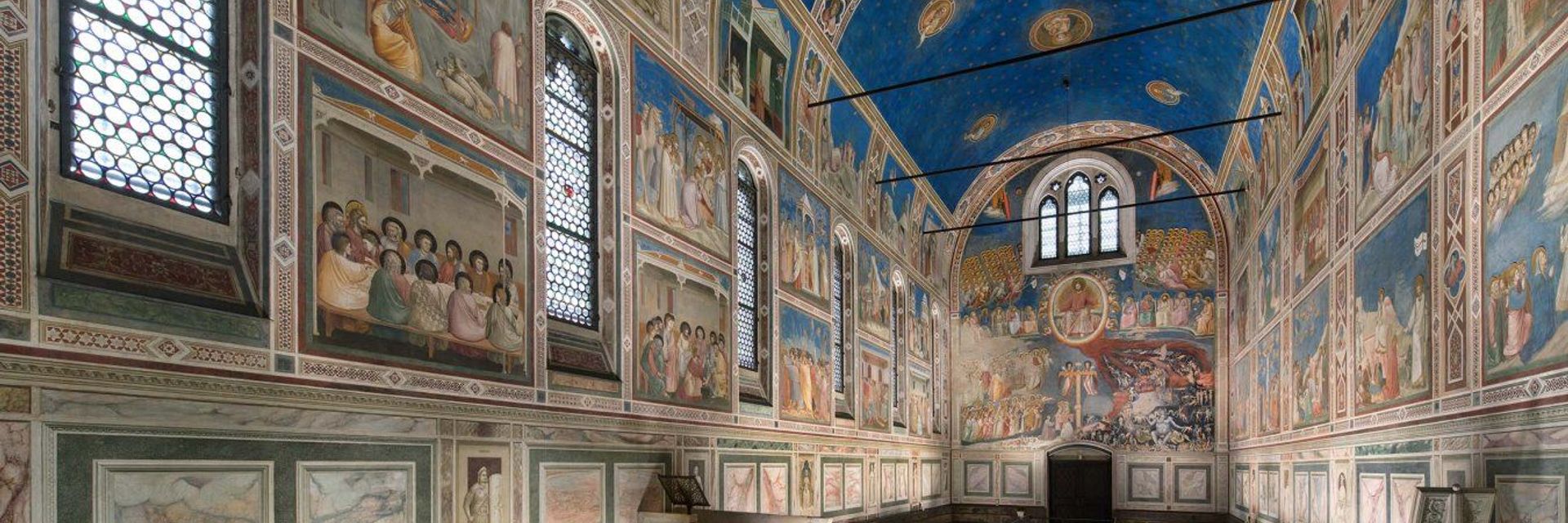
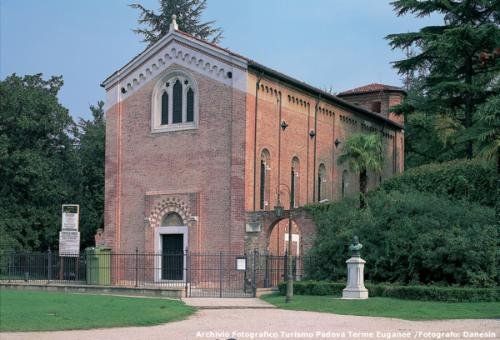
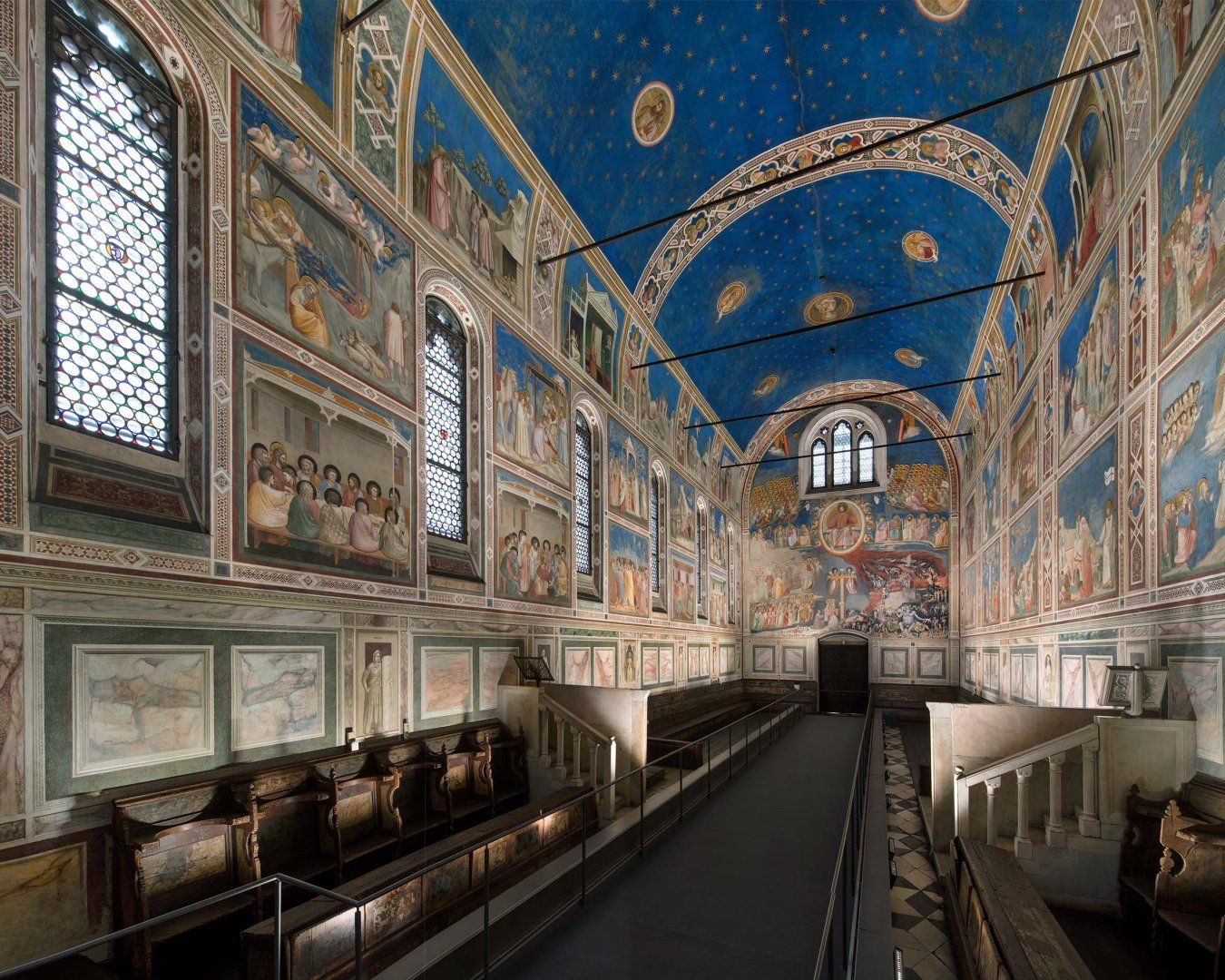
To spread in the collective imagination an absolutely positive consideration of himself, the wealthy Paduan banker Enrico Scrovegni in 1300 acquires the area of the Roman Arena, to build his palace and a chapel dedicated to the Blessed Virgin in suffrage of his soul and that of his father Reginaldo, the usurer mentioned by Dante in Canto XVII of the Inferno. The small church with simple and clean forms externally presents inside a single environment, ending at the back with a presbytery where the sarcophagus of Enrico Scrovegni is located, a work by Andriolo de Santi, and on the altar a Madonna with child, a work by the fourteenth-century sculptor Giovanni Pisano. The chapel is made up of a single room of 20.5 x 8.5 m. and 18.5 m. in height with a barrel vault. The entire decoration is considered one of the greatest masterpieces of art of all time. After seeing Giotto and his school at work in the Basilica of Saint Anthony, Scrovegni commissioned him to decorate the chapel (1303 to 1305). For this noble commission, the renowned painter had at his disposal the walls of a small and asymmetrical church, due to the six windows that open only on the right wall. To make possible the implementation of the vast iconographic program, the painter took as a reference point the space between the two windows, calculating to insert two stories, one above the other.
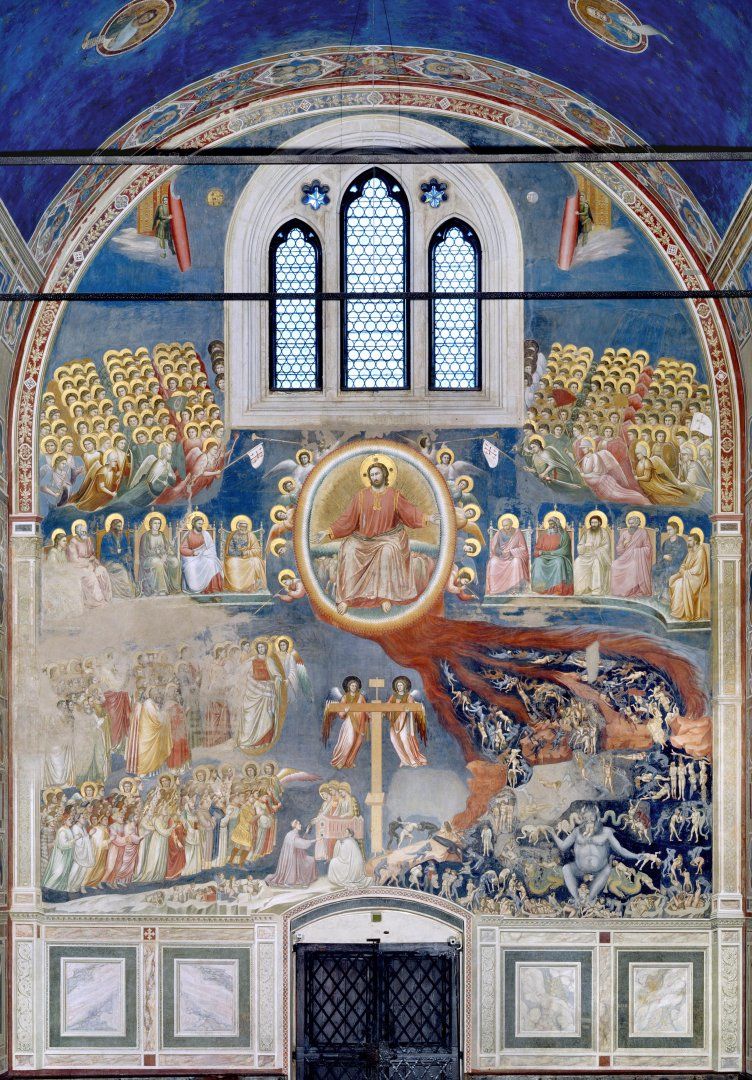
Giotto wanted to condense the New Testament into the thirty-nine painted scenes: starting from the events of the parents of Mary, Joachim and Anne, to continue with the Stories of the Virgin and of Jesus, and to close on the opposite wall with the Universal Judgment narrated in the Apocalypse. In addition, fourteen monochrome allegories of Vices and Virtues are realized in the high perimeter plinth.

Piazza Eremitani, 8, Padua, Italy
Opening hours
| opens - closes | last entry | |
| monday | Closed now | |
| tuesday | 10:00 - 18:00 | |
| wednesday | 10:00 - 18:00 | |
| thursday | 10:00 - 18:00 | |
| friday | 10:00 - 18:00 | |
| saturday | 10:00 - 18:00 | |
| sunday | 10:00 - 18:00 |