
Corso Giuseppe Garibaldi 33, Padua, Veneto
Closed now: open at 10:00
Verified profile

Contact the museum

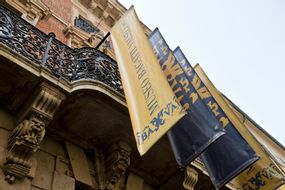
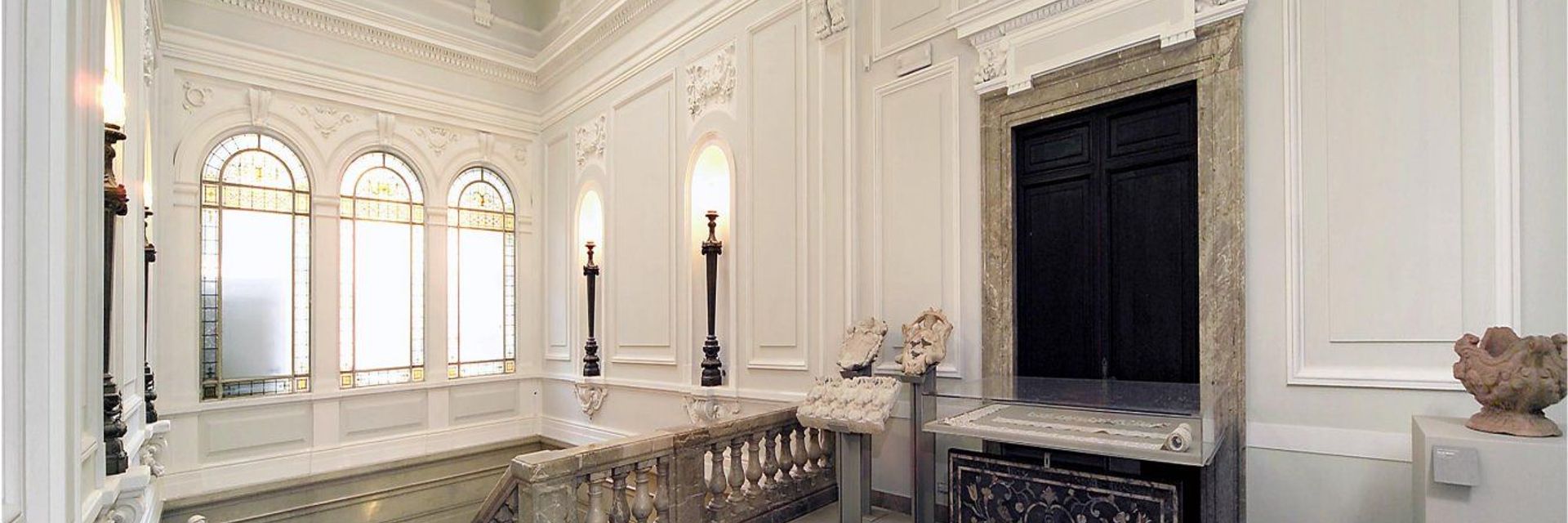
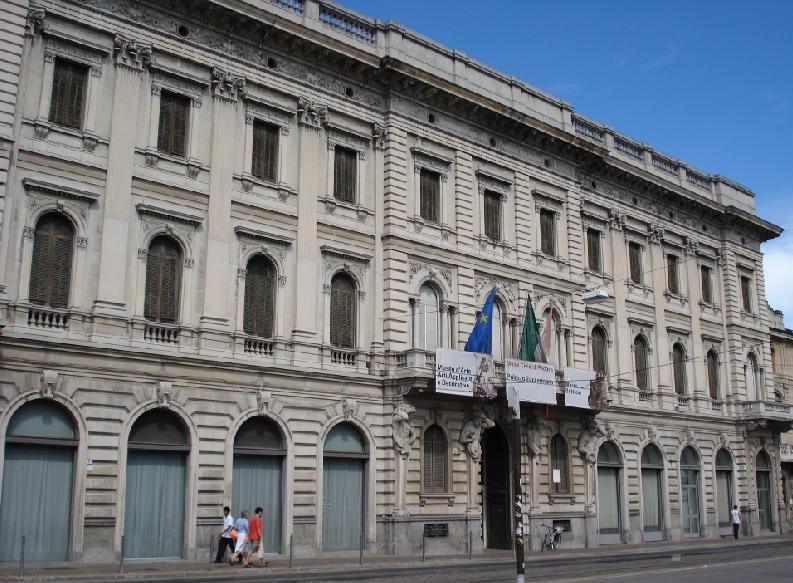
Palazzo Zuckermann hosts on the ground floor and first floor the Museum of Applied Arts, and on the second floor, the Bottacin Museum.
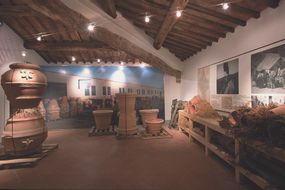
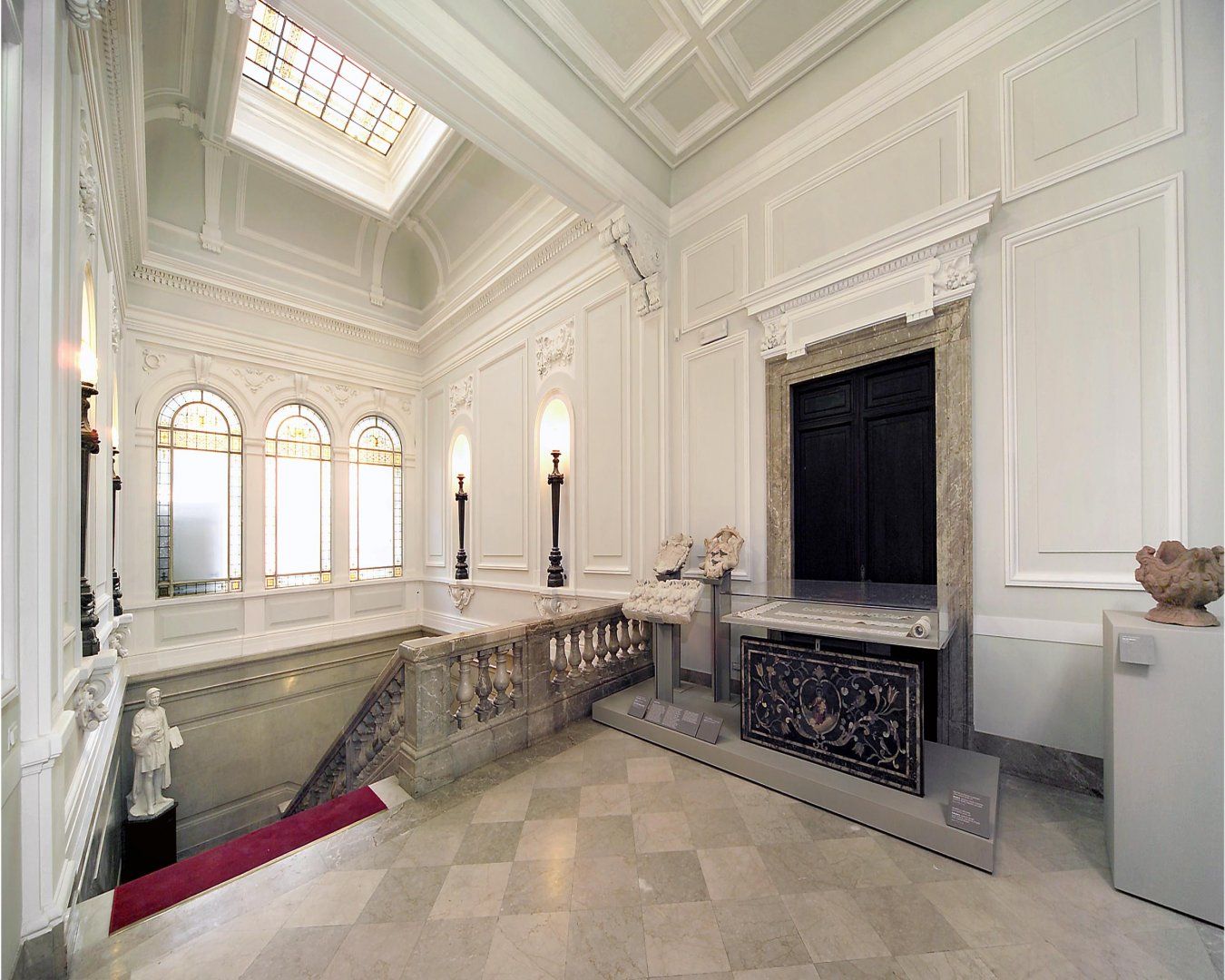
The Museum of Applied and Decorative Arts houses over two thousand objects from the collections of the Civic Museum of Medieval and Modern Art: glassware, carvings, ceramics, silverware, ivories, jewelry, textiles, and furniture. A significant number of pieces, mostly never before exhibited to the public, illustrate different types of artifacts used in Padua between the Middle Ages and the second half of the 19th century.
Evolving environments reconstructed along the chronological path allow visitors to immerse themselves in the spirit and life of various eras, capturing the evolution of taste and different artistic techniques. Moreover, the display of multiple objects from the same period makes it easy to perceive the connections between what artists and craftsmen were creating in their workshops.
In the Bottacin Museum, the entire collection of Nicola Bottacin, the wealthy merchant who in 1865 bequeathed his art and coin heritage to the city, finds a functional arrangement. Mostly gathered in Trieste around the mid-19th century, the paintings, furniture, sculptures, Chinese ceramics, ancient weapons, and other works acquired for the decoration of his complex residence are exhibited in an ideal reconstruction of the furnishings of his Trieste villa, built in the eclectic taste of the 19th century. The exhibition is divided into two itineraries, one dedicated to artworks and the other strictly to numismatics. The exhibition path is based on the most accurate possible reconstruction of the original environment and the tastes of the bourgeois clientele of the 19th century. It allows visitors to grasp the widespread attention to academic or traditional painting and sculpture, although there are also openings to some innovative trends.

Corso Giuseppe Garibaldi 33, Padua, Italy
Opening hours
| opens - closes | last entry | |
| monday | Closed now | |
| tuesday | 10:00 - 18:00 | |
| wednesday | 10:00 - 18:00 | |
| thursday | 10:00 - 18:00 | |
| friday | 10:00 - 18:00 | |
| saturday | 10:00 - 18:00 | |
| sunday | 10:00 - 18:00 |