From 13 December to 12 April 2026



Querini Stampalia Foundation
Campo Santa Maria Formosa, 5252, Venice
Closed now: open at 10:00
Verified profile
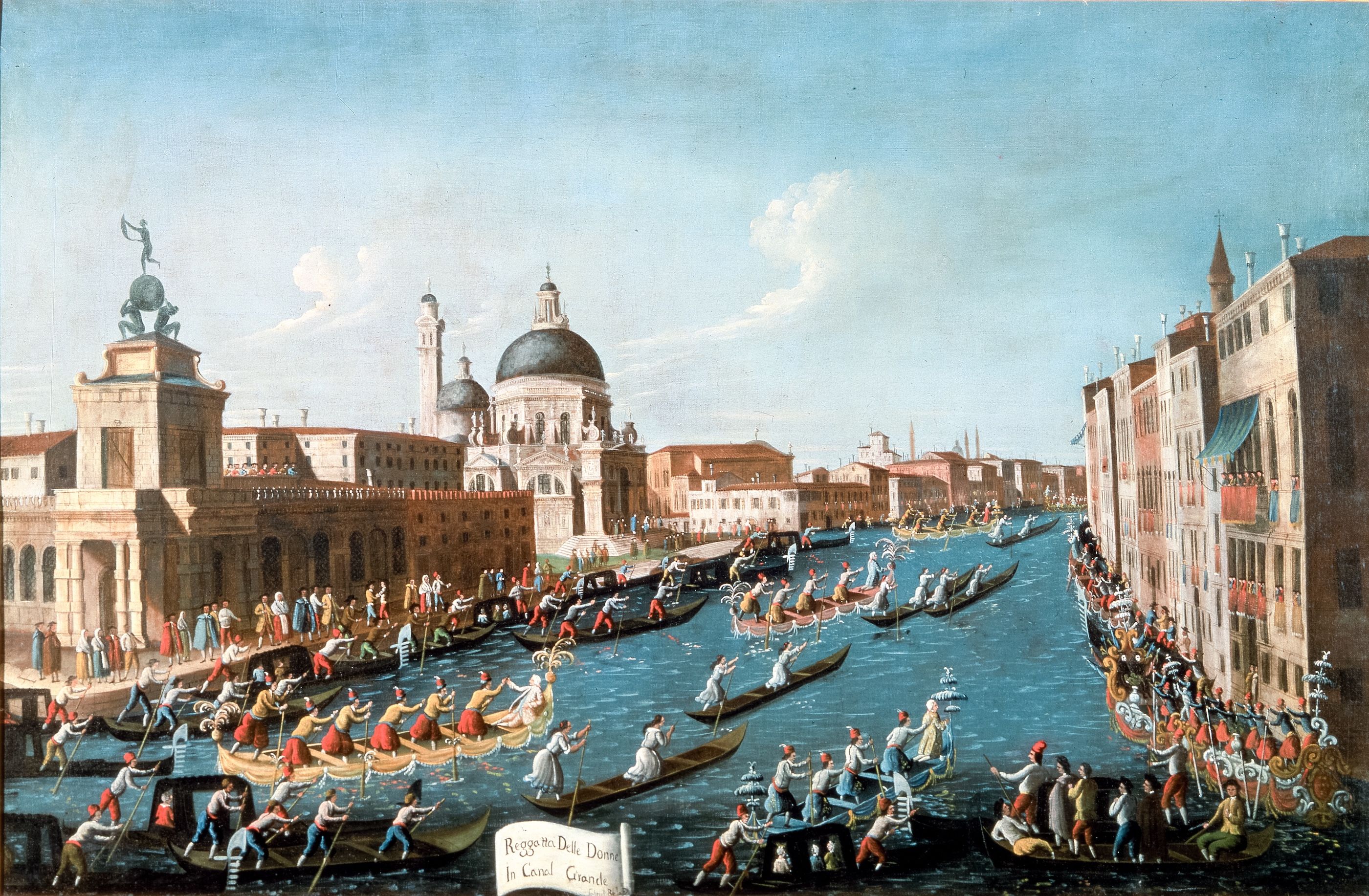
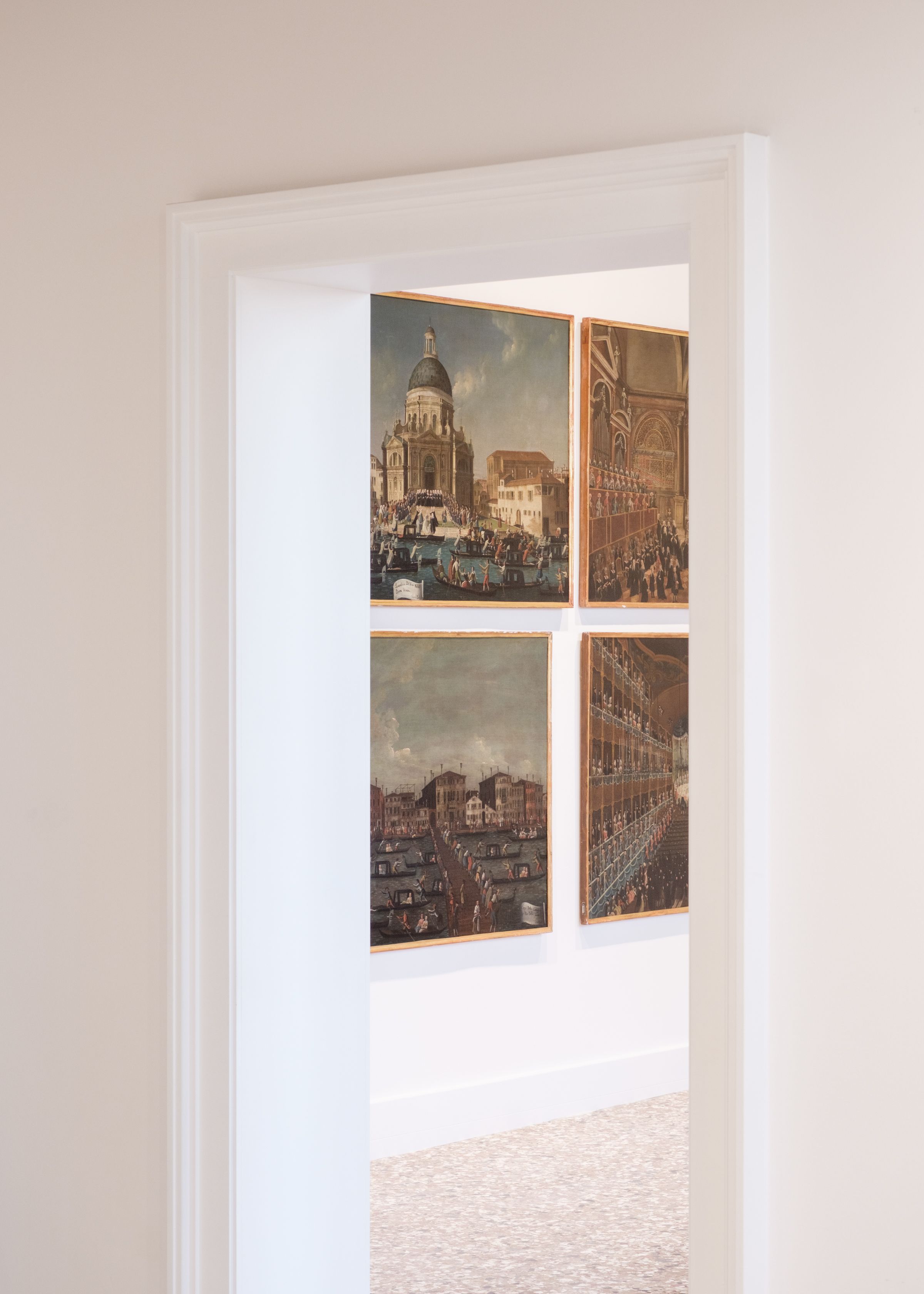
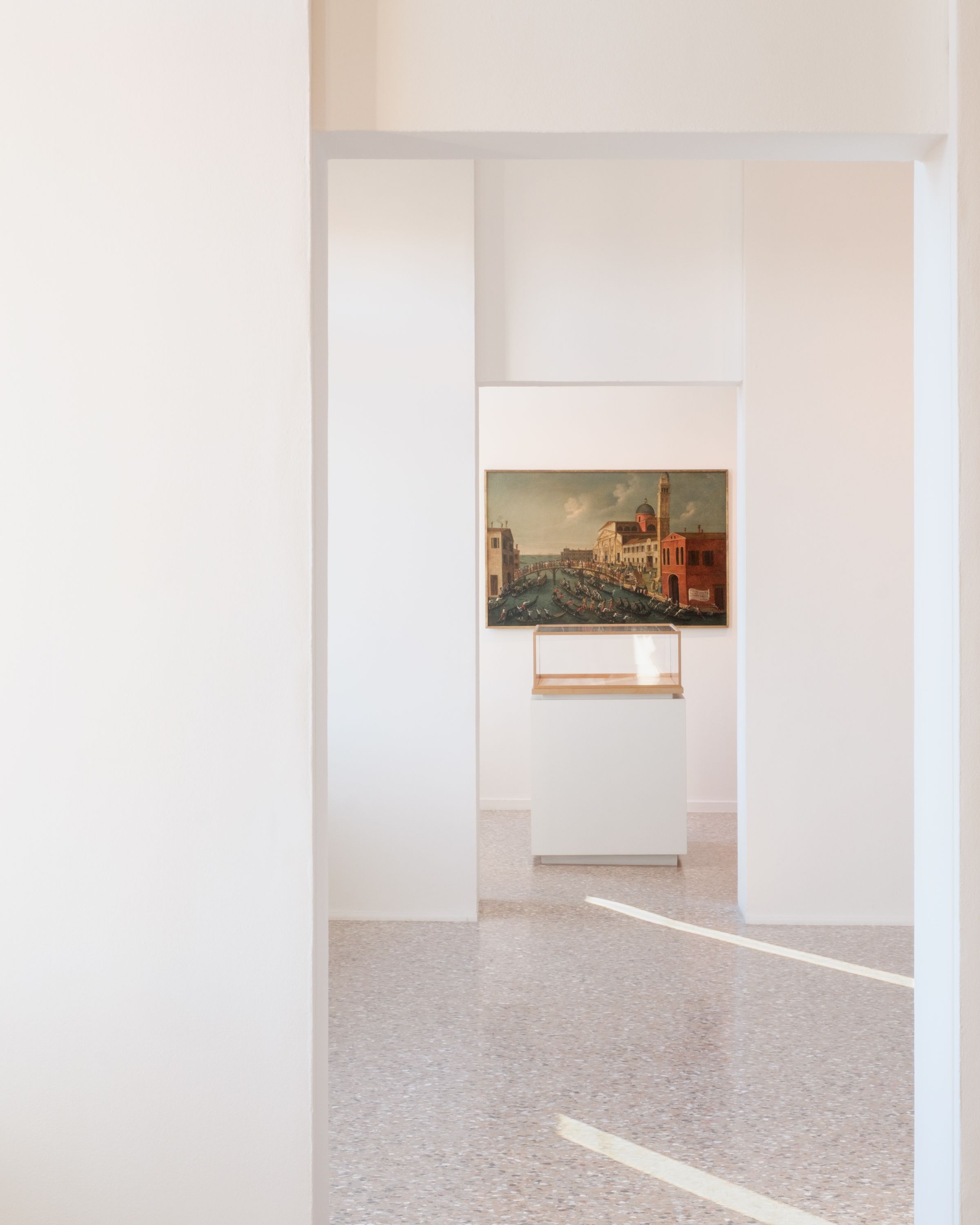
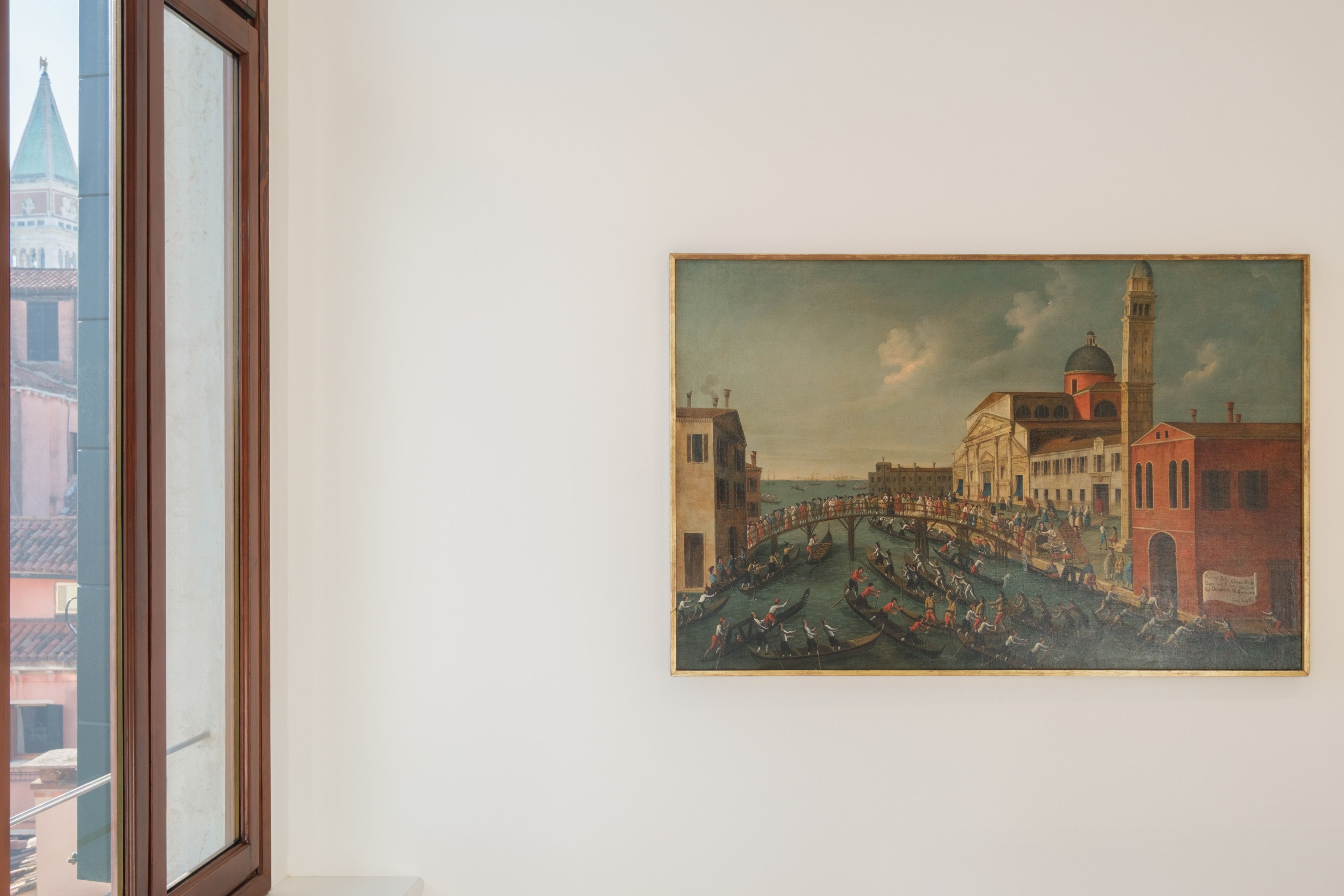
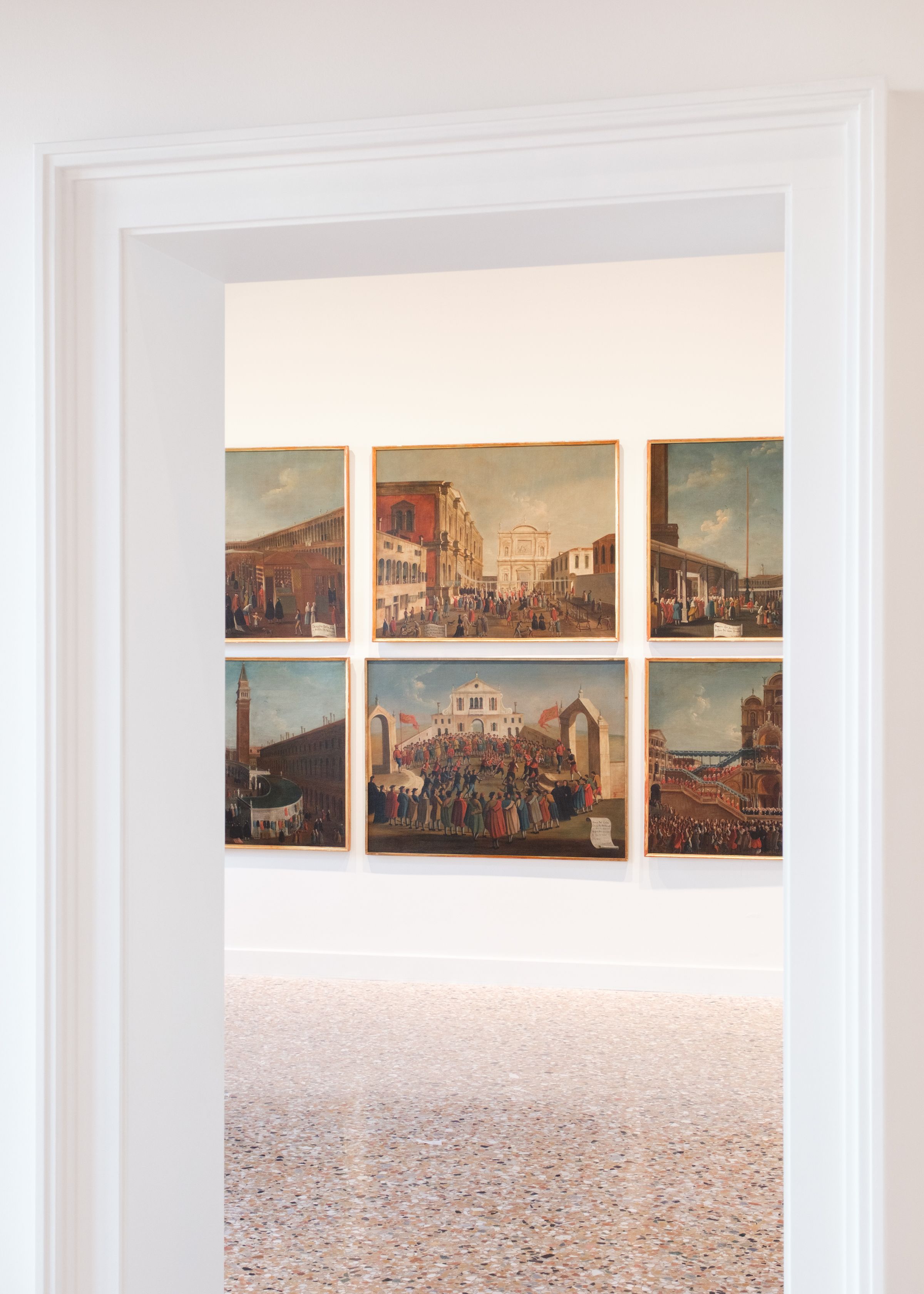
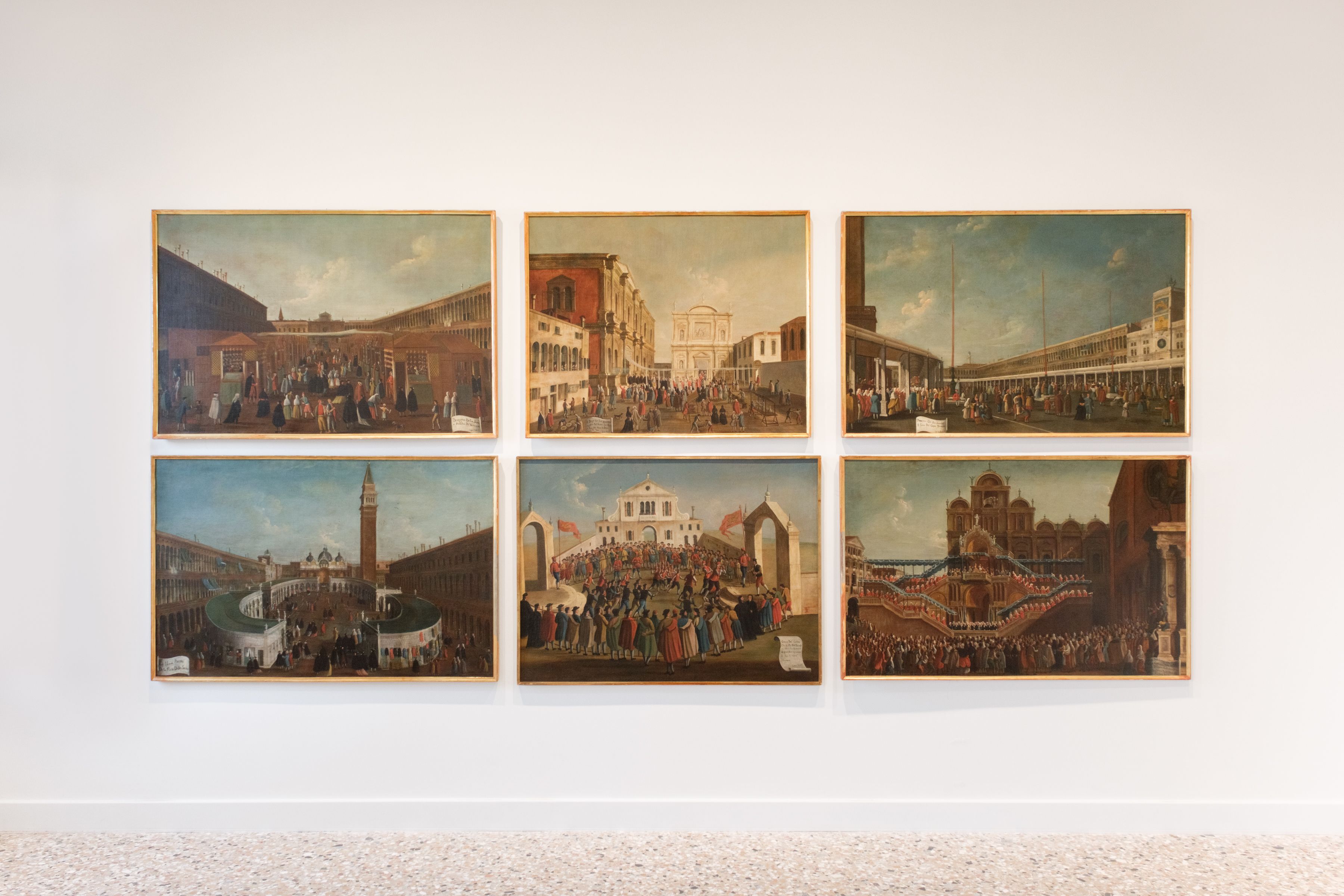
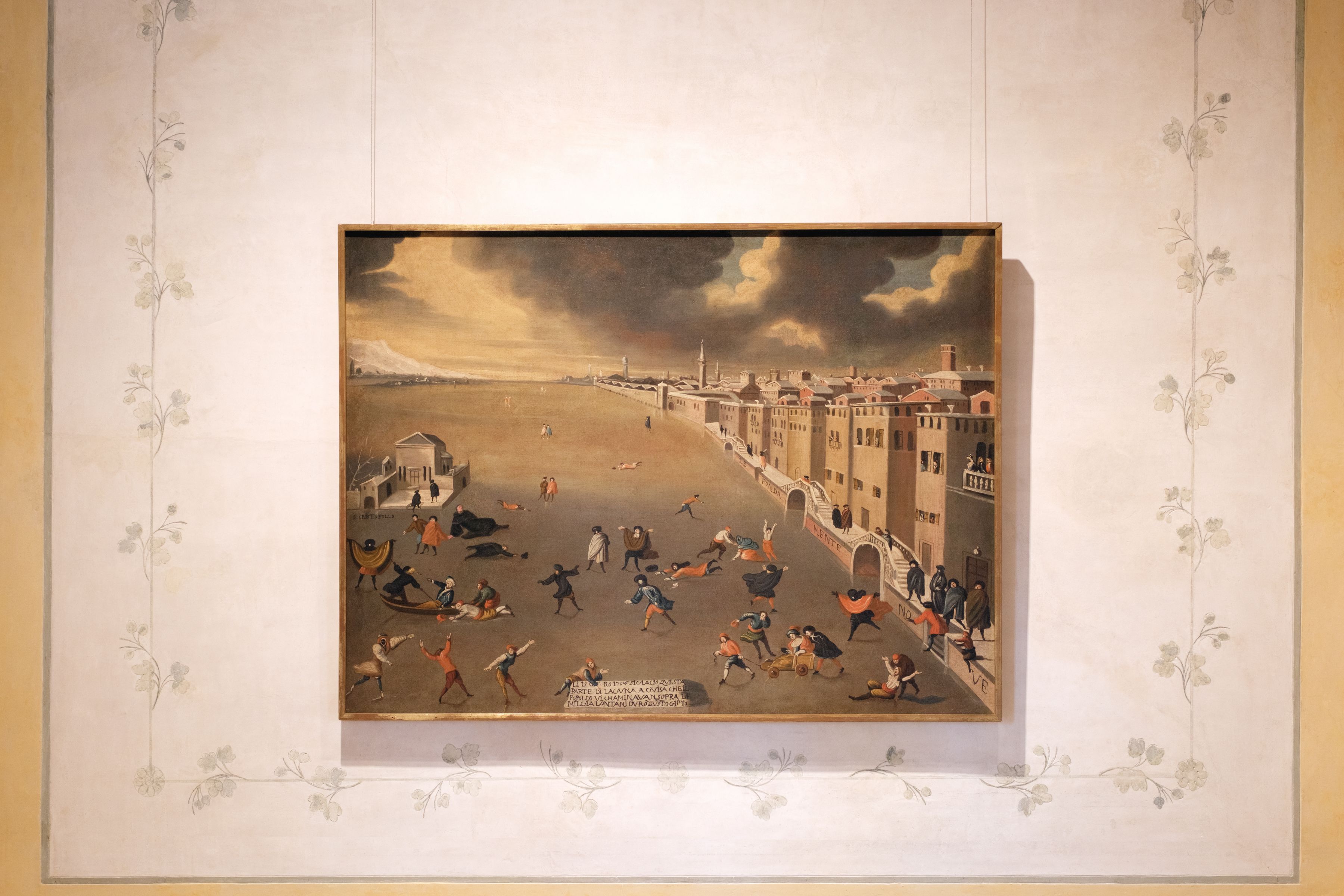
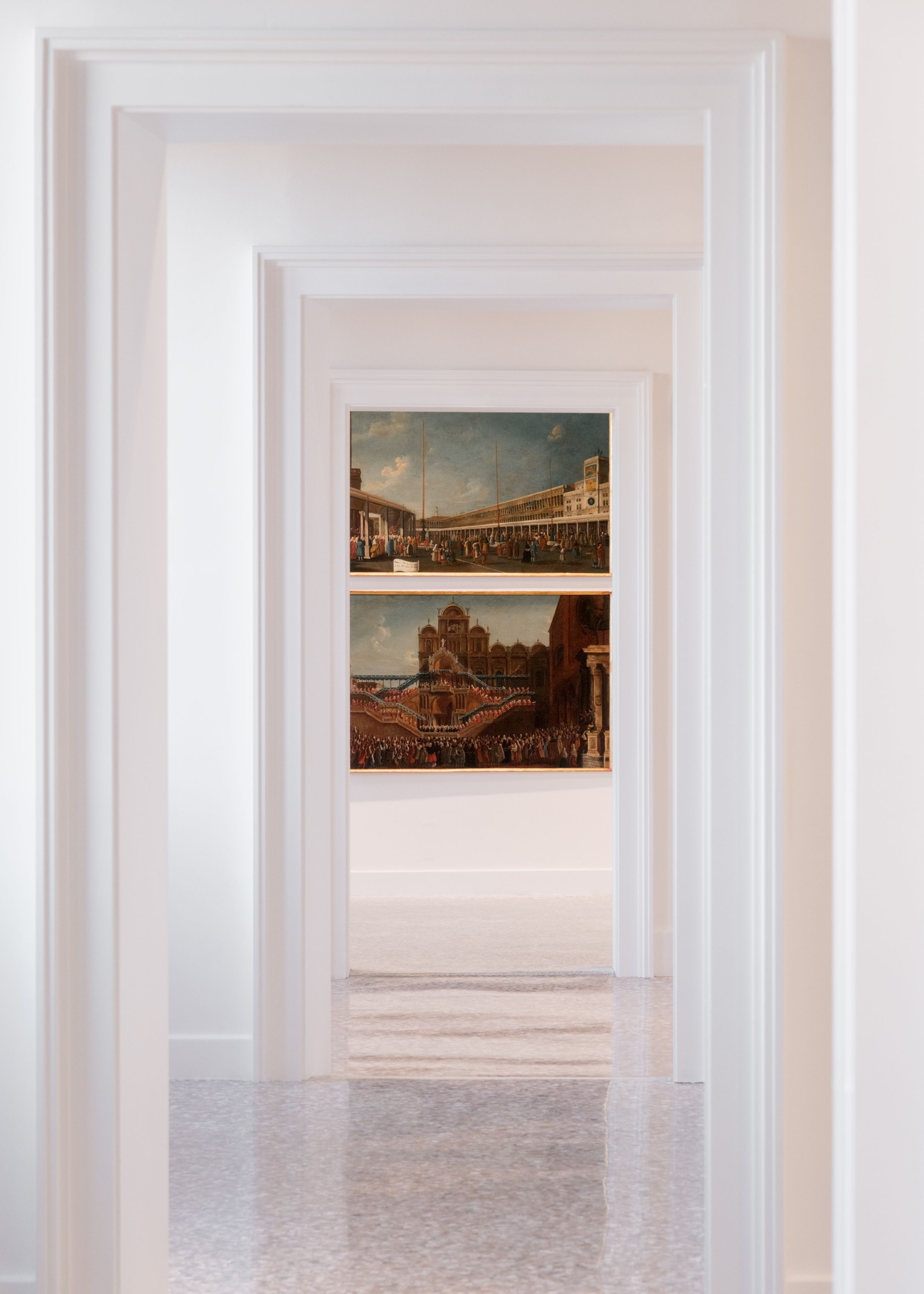
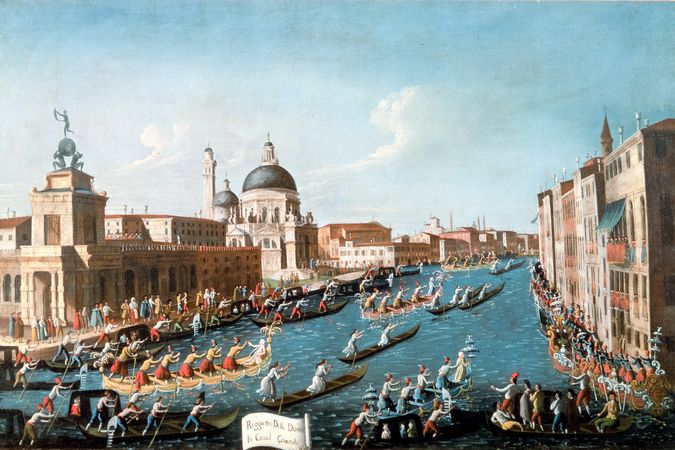
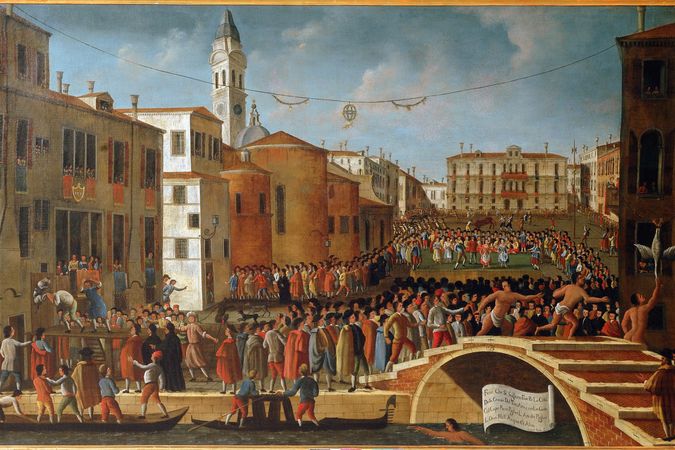
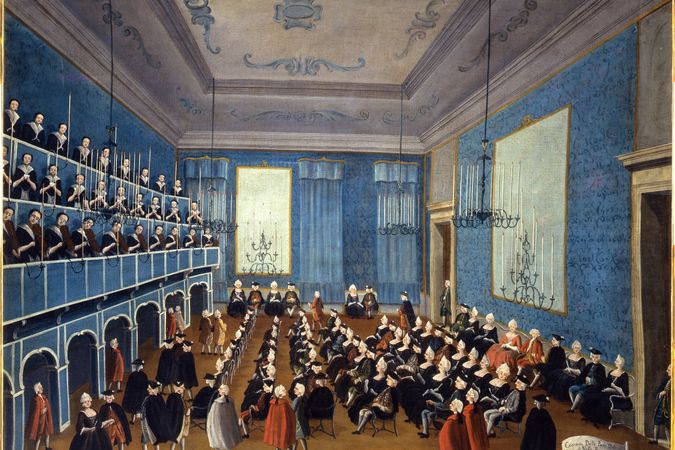
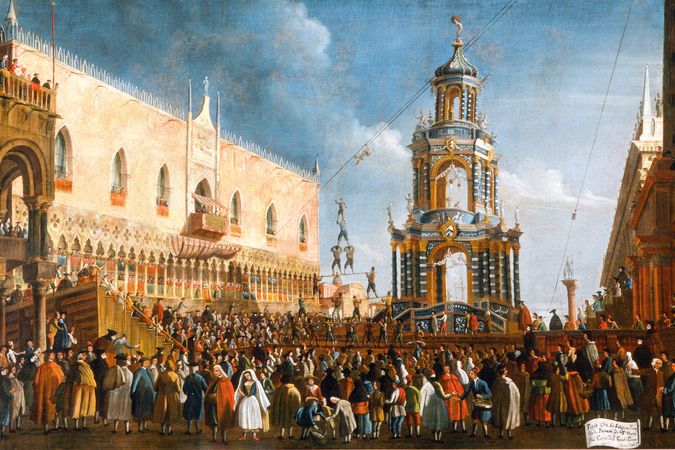
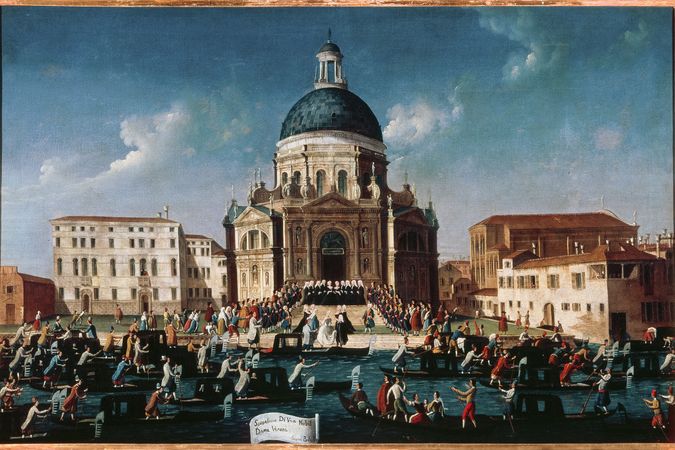
With Bella la vita a Venezia, the Querini Stampalia Foundation presents the entire collection of paintings by Gabriel Bella, the artist who more than any other has been able to depict the life of 18th-century Venice. A title that plays on three narrative lines: Bella as an adjective and as the artist's name; life, because it is the everyday life of the city that becomes the protagonist; Venice, which through these images continues its centuries-old tradition of self-representation, propaganda, and construction of the collective imaginary. A body of work capable of exalting the magnificence of Venice and of narrating, through images, the political myth of the Serenissima.
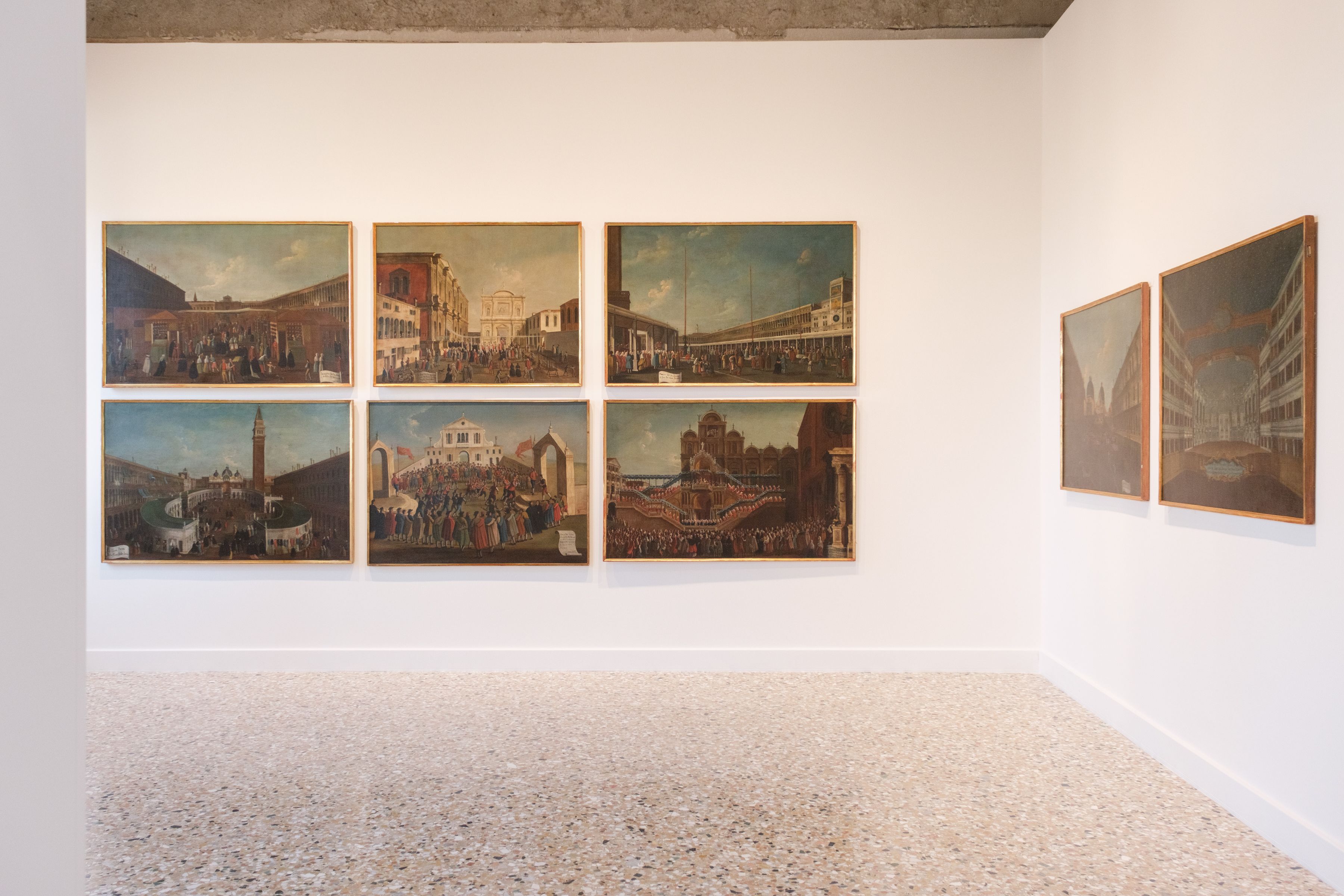
Not a random collection, but a unified iconographic project, probably developed in the 1780s.
In addition to the 69 canvases, the exhibition also includes some 18th-century engravings from the historical collection of the Library taken from "Le Arti che vanno per via nella città di Venezia" by Gaetano Zompini and precious films from the Historical Archive of the Istituto Luce, shot between 1929 and 1956, which broaden the understanding of the historical context and open up to contemporary suggestions.
Gabriel Bella (Venice, 1730? - 1799) works in a time when the 19th century is approaching, bringing with it a new way of capturing reality through photography. Yet, already at the end of the 18th century, his gaze seems to speak that same language. Bella observes the city with a photographic precision and sensitivity: framing, isolating, recording. He composes as if he had a lens in his hands capable of capturing movement and stillness, the crowd and the detail, the exceptional and the ordinary.
He accurately conveys the density and theatricality of the Venetian world. His 'apparent naivety', almost comic-like, becomes an interpretative key: the popular vision of a society regulated by ceremonies, rituals, parties, markets, and processions.
He is an artist who blends with the city: a citizen and a flâneur guided by an inexhaustible curiosity, he wanders through alleys and squares, letting himself be surprised by the scenes that unfold before him. His works preserve this energy of discovery, the same as that of someone who ventures aimlessly and finds in urban life a constantly open theater. He is a careful witness, recording gestures, social dynamics, as if he had the urgent need to capture them on canvas.

Campo Santa Maria Formosa, 5252, Venice, Italy
Opening hours
| opens - closes | last entry | |
| monday | Closed now | |
| tuesday | 10:00 - 18:00 | |
| wednesday | 10:00 - 18:00 | |
| thursday | 10:00 - 18:00 | |
| friday | 10:00 - 18:00 | |
| saturday | 10:00 - 18:00 | |
| sunday | 10:00 - 18:00 |
From 21 July to 1 November 2026
Rebel Muses. Women, image, power in the history of art
Former Church of Santo Stefano, Mondovì